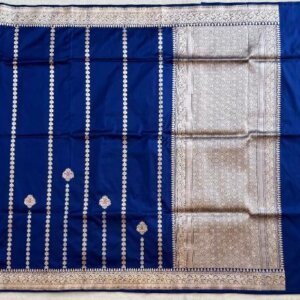
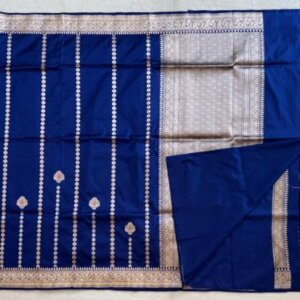
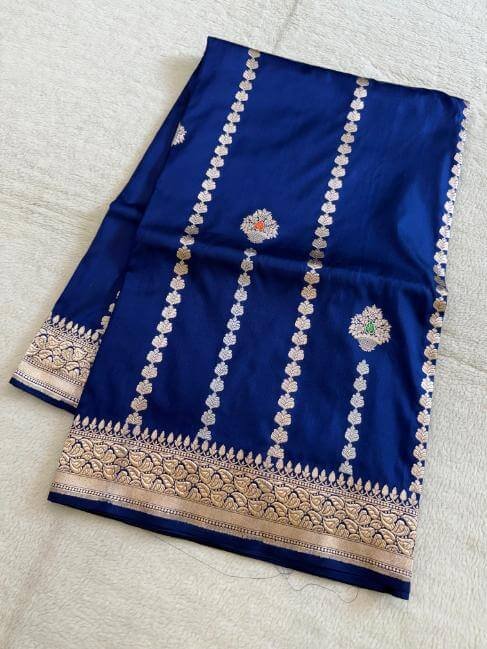
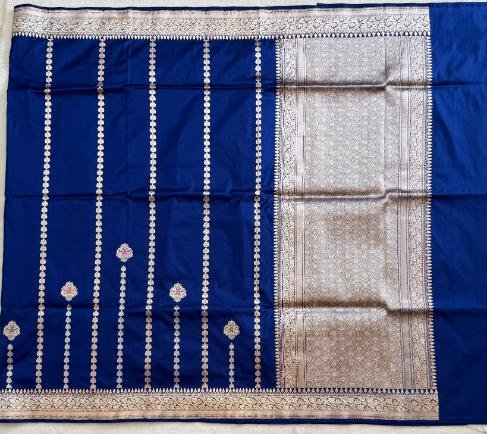
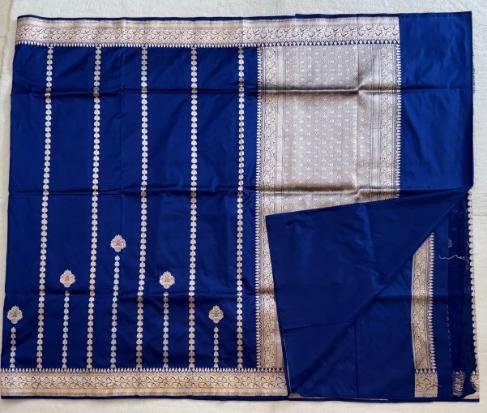
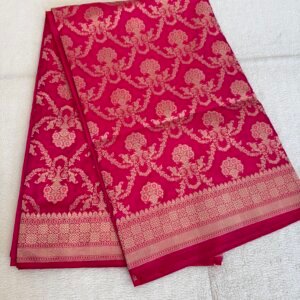
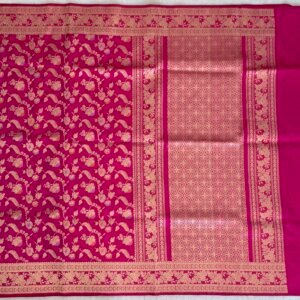
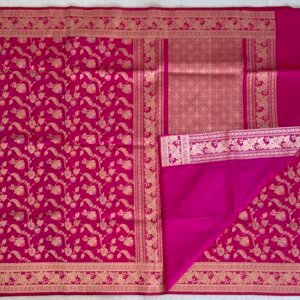
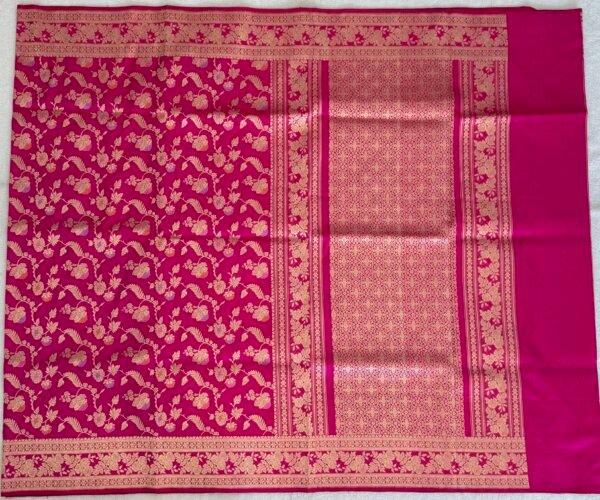
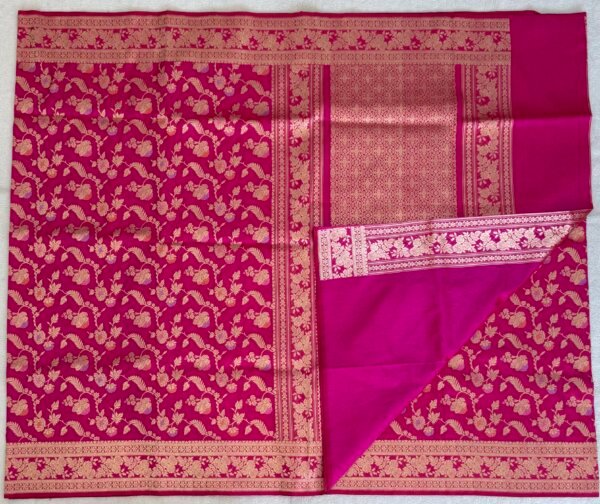
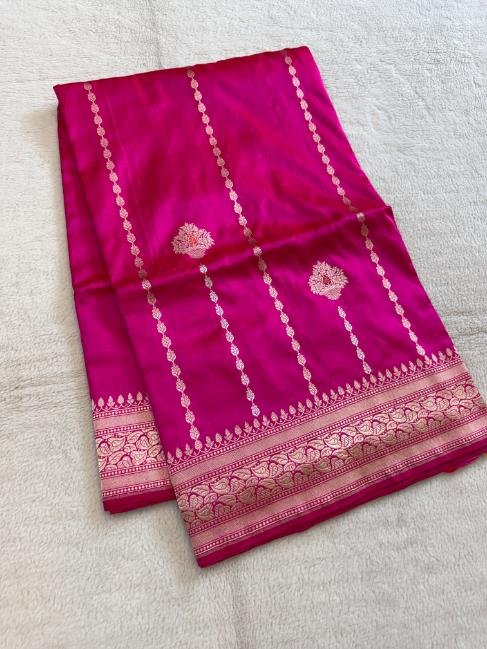
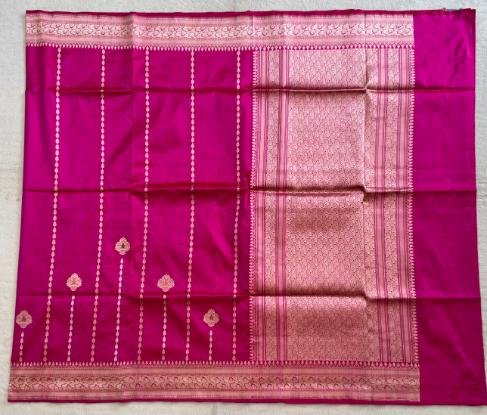
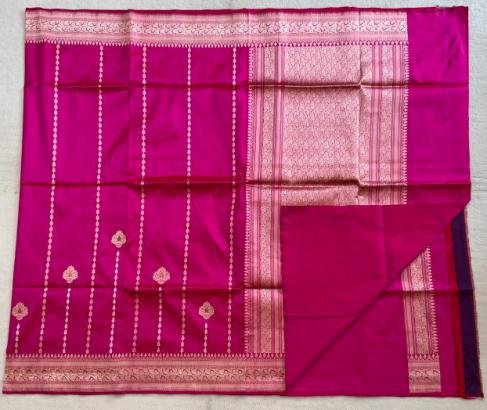
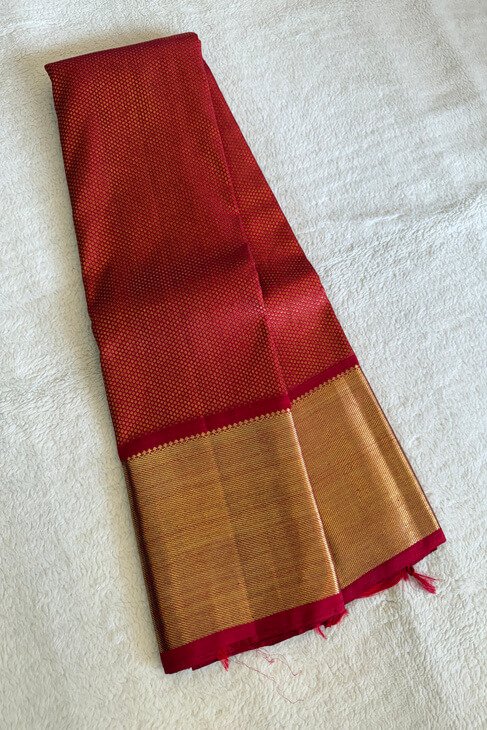
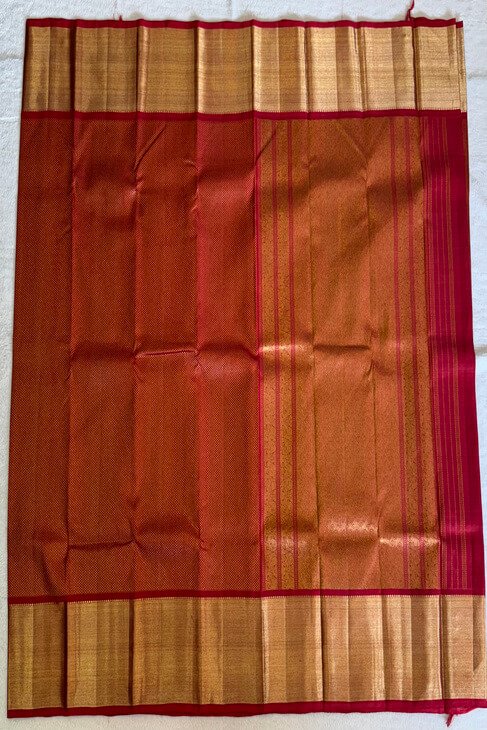
7 Breathtaking Silk Saree Color Combinations You Need to See

Colour has always been the first language of fashion. Before a silhouette is admired or a fabric is touched, it is colour that creates an impression, evokes emotion, and tells a story. In the world of Indian handwoven silk sarees, colour is not merely decorative. It is deeply symbolic, rooted in tradition, and thoughtfully woven into every thread. A carefully chosen colour combination has the power to transform a saree from beautiful to unforgettable, making it an expression of personality, heritage, and timeless elegance.

For centuries, India’s master weavers have displayed an extraordinary understanding of colour harmony. Their looms have produced combinations that celebrate nature, architecture, festivals, and royalty, long before colour forecasting became a part of the fashion industry. The vibrant borders of a Kanjivaram, the intricate zari work of a Banarasi, the graceful palettes of a Paithani, and the striking contrasts found in countless regional weaves all demonstrate that Indian textile traditions have always been several steps ahead of changing fashion trends. While contemporary styles continue to evolve, certain colour pairings remain eternally relevant because they balance drama with sophistication and tradition with modernity.

Whether you are shopping for a wedding, attending a festive celebration, or investing in a timeless heirloom, these seven breathtaking silk saree colour combinations continue to define elegance across generations.

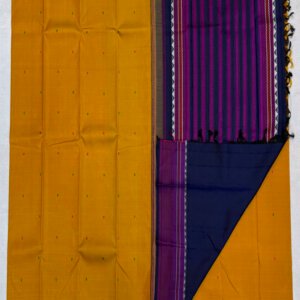
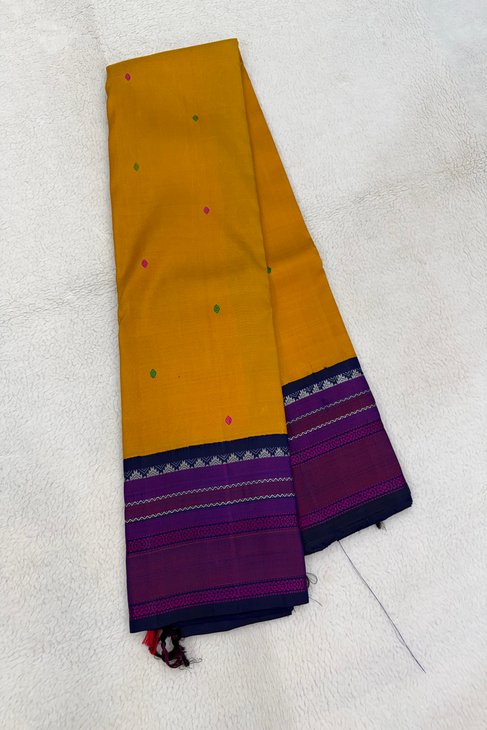
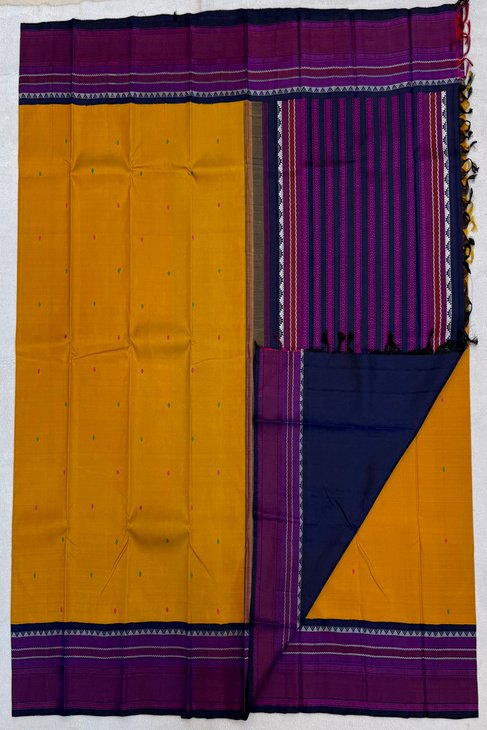
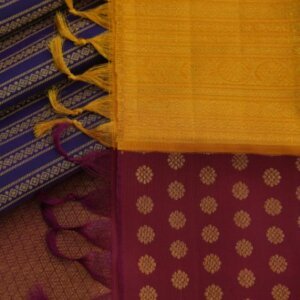
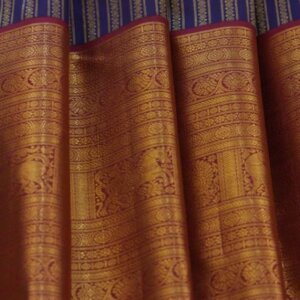
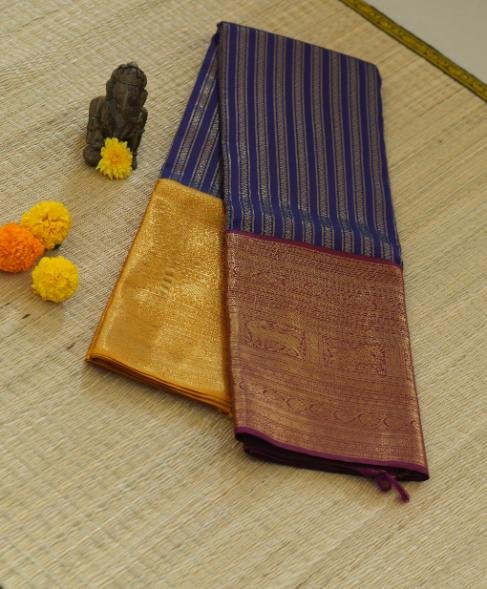
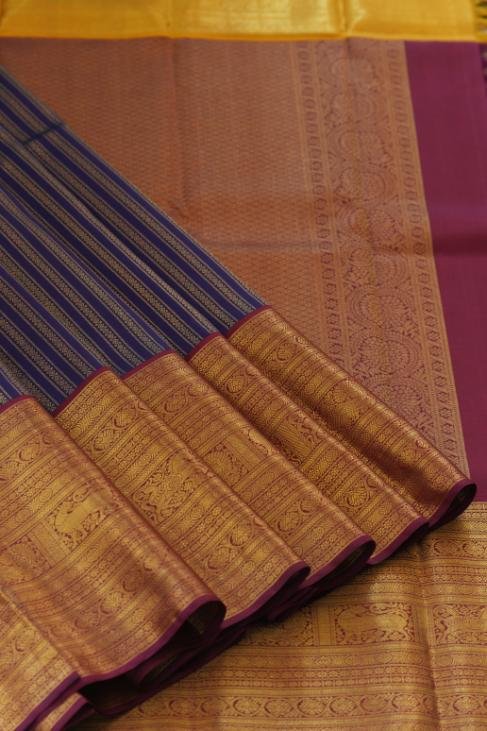
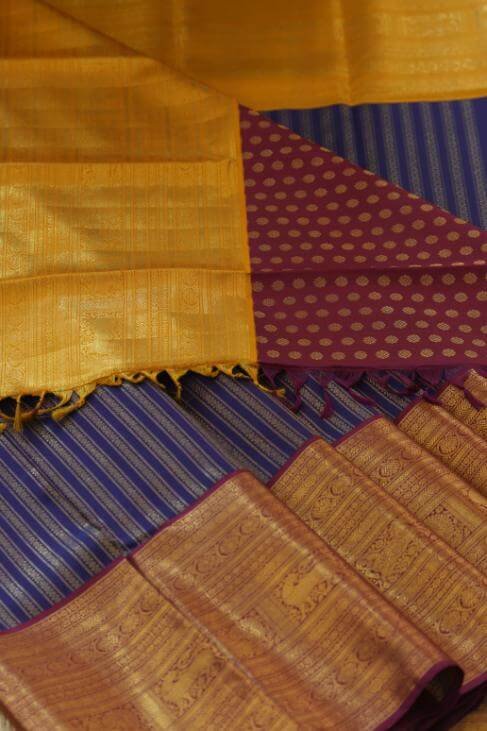
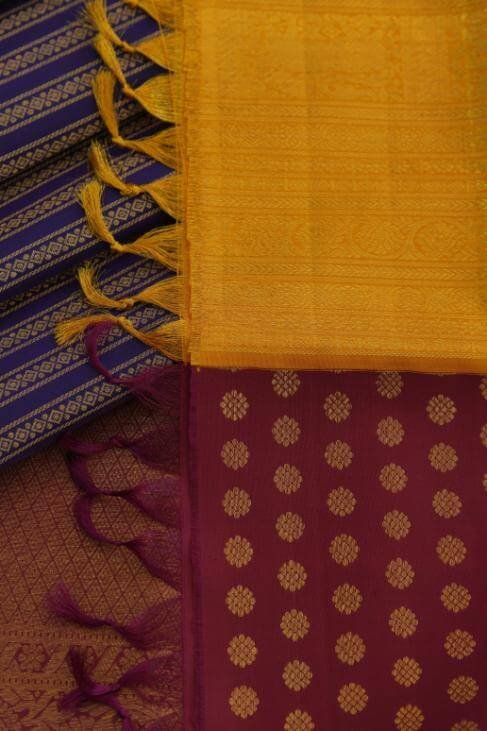
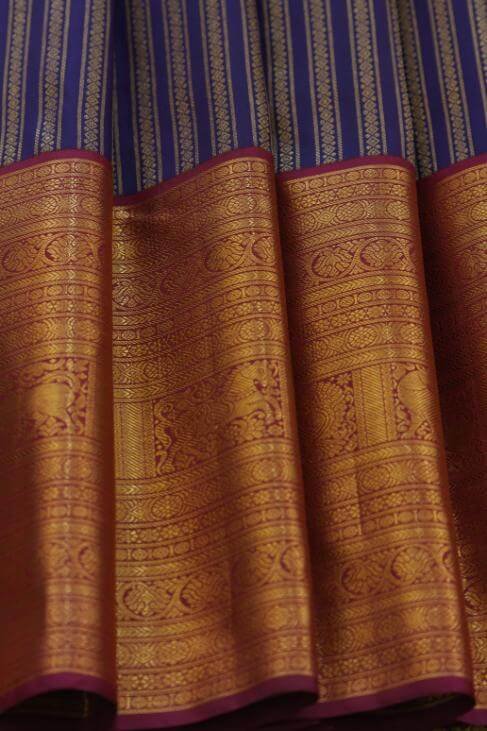
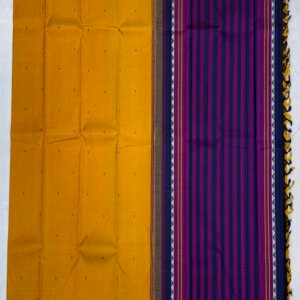
1. Mustard Yellow and Midnight Blue

Few colour combinations possess the quiet confidence of mustard yellow paired with midnight blue. Inspired by the golden warmth of harvested fields meeting the deep evening sky, this pairing creates a remarkable balance between brightness and depth. The richness of mustard silk instantly draws attention, while the dark blue border grounds the look with understated sophistication.

This combination has become particularly popular among bridesmaids, wedding guests, and women attending traditional celebrations because it photographs beautifully in both daylight and evening settings. Antique gold jewellery complements these colours effortlessly, allowing the zari work to shine without overwhelming the overall appearance. A blouse in deep midnight blue with subtle embroidery completes the ensemble while maintaining visual harmony.

The appeal of this pairing lies in its versatility. It feels festive without becoming loud, regal without appearing excessive, and traditional while remaining refreshingly contemporary.
2. Crimson Red and Emerald Green

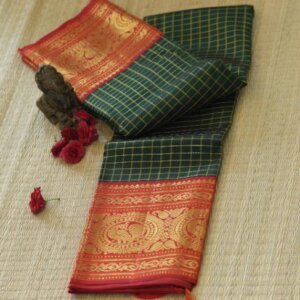
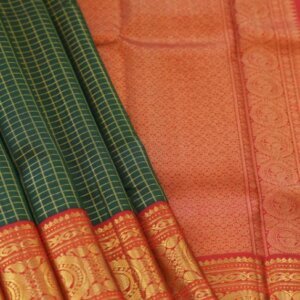
There are few colour pairings in Indian fashion as iconic as crimson red and emerald green. This timeless combination has adorned brides for generations and continues to symbolise prosperity, celebration, and auspicious beginnings. Rich red silk woven with an emerald border creates an unmistakable sense of grandeur that feels deeply rooted in Indian culture.

The brilliance of this combination lies in the natural contrast between warm and cool tones. Emerald green softens the intensity of crimson, while the red enhances the vibrancy of the green. Together, they create an ensemble that feels luxurious without relying on excessive embellishment.

Traditional temple jewellery, fresh jasmine flowers, and classic bridal hairstyles enhance the regal beauty of this palette, making it a favourite choice for weddings, religious ceremonies, and milestone celebrations.
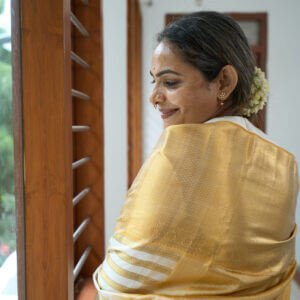
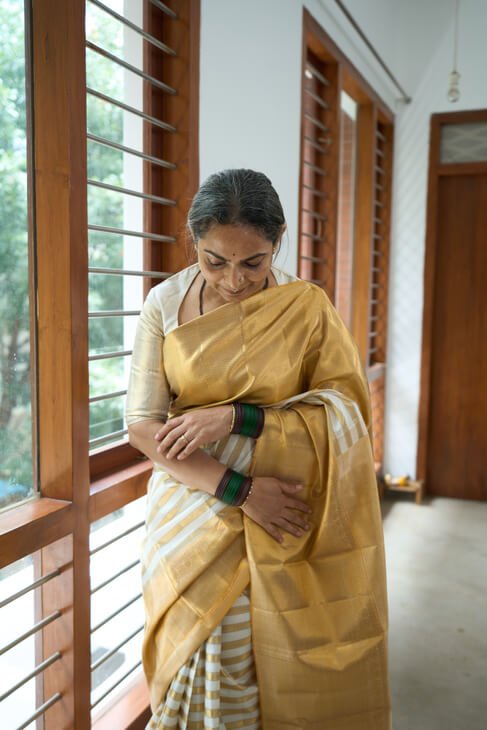
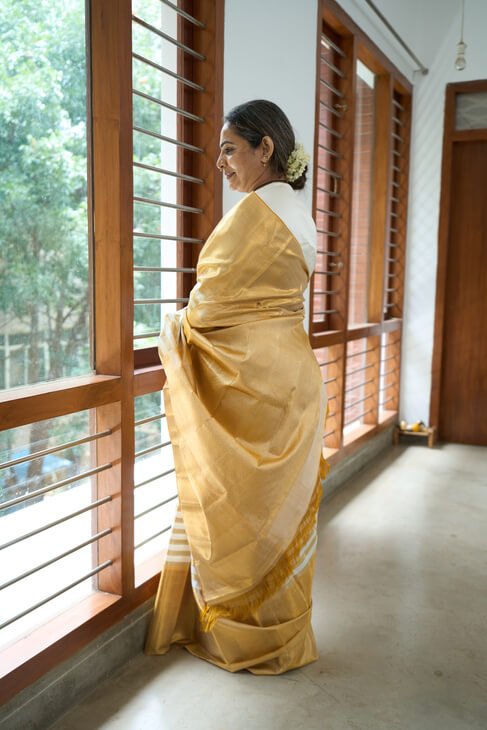
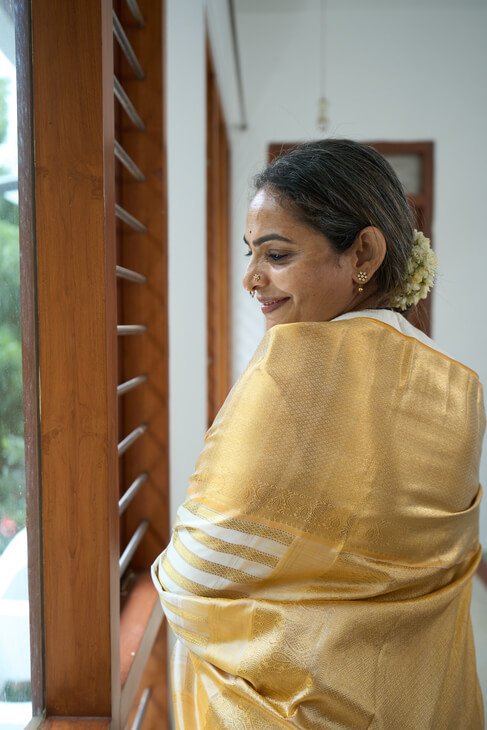
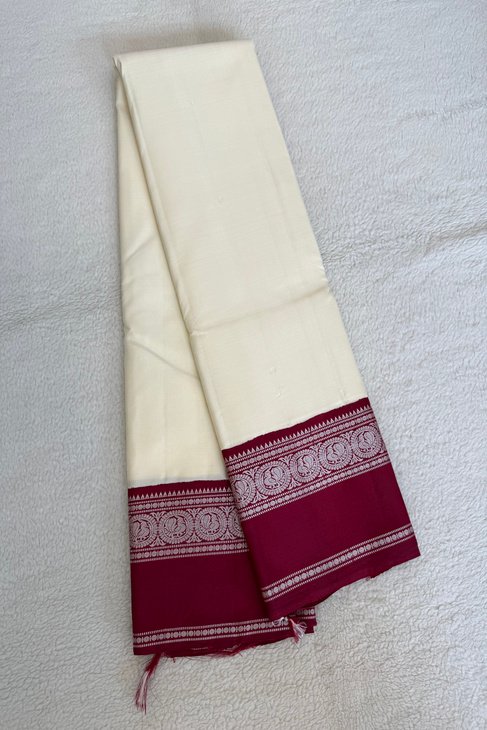
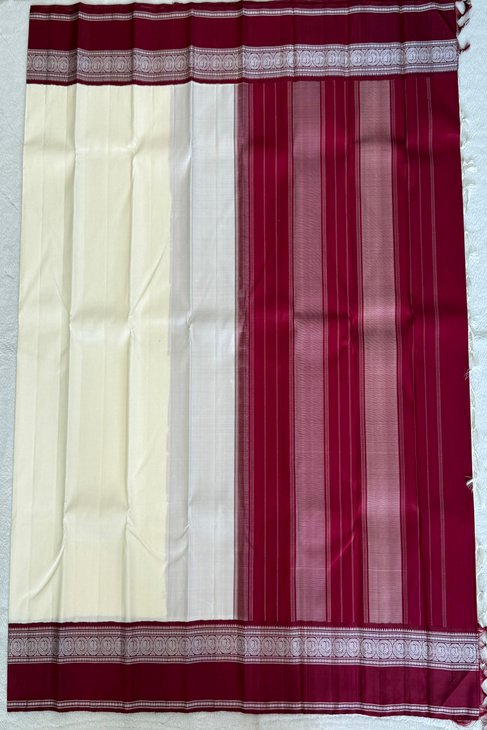
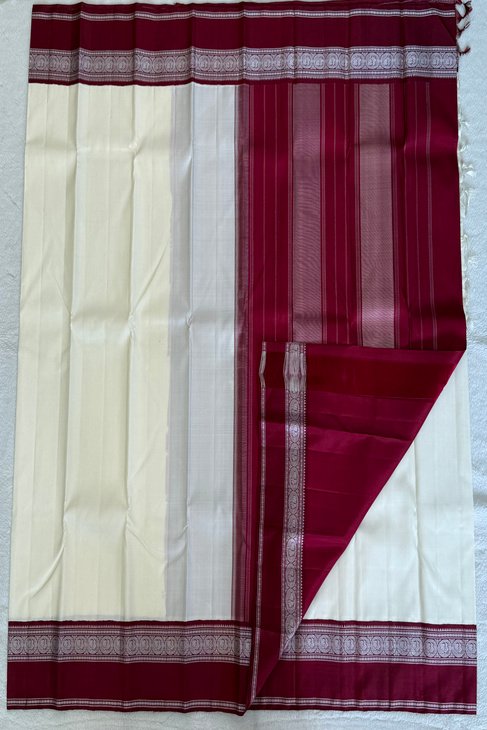
3. Ivory and Antique Gold

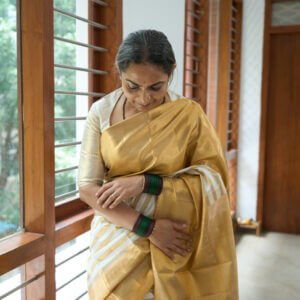
Luxury does not always demand bold colours. Sometimes, elegance is found in restraint. Ivory silk paired with antique gold zari creates a look that feels graceful, refined, and effortlessly sophisticated. The understated nature of ivory allows the craftsmanship of the weave to become the centre of attention, revealing intricate motifs that might otherwise be overlooked.

This combination has gained immense popularity among modern brides seeking minimalism without sacrificing tradition. It also works beautifully for receptions, engagement ceremonies, and daytime celebrations where subtle elegance often leaves a stronger impression than dramatic colour.

Accessories play an important role here. Antique gold jewellery, pearls, and delicate floral arrangements create a cohesive aesthetic that celebrates craftsmanship rather than excess.
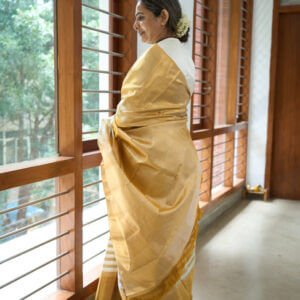
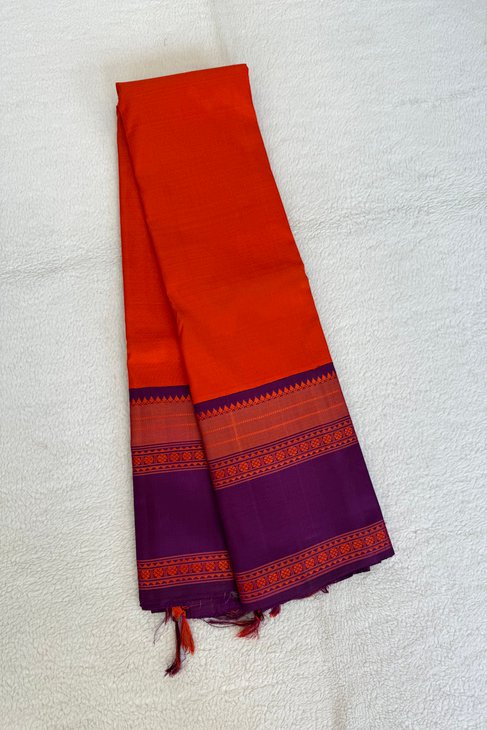
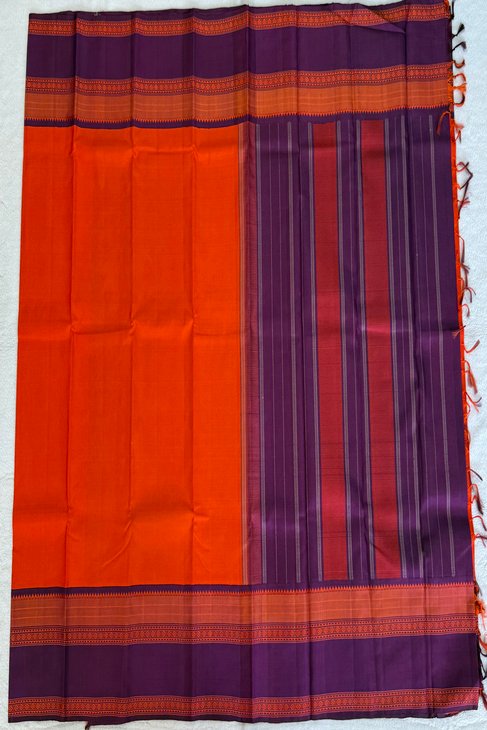
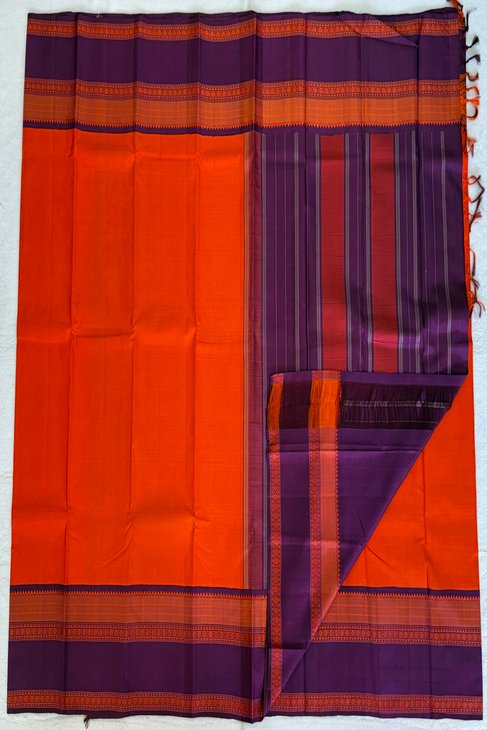
4. Royal Purple and Burnt Orange

Royal purple has long been associated with nobility, wisdom, and artistic expression. When paired with the earthy warmth of burnt orange, it creates one of the most distinctive colour combinations in Indian textile traditions. The richness of purple silk becomes even more striking when framed by an orange border woven with intricate zari detailing.

This pairing is particularly well suited for festive occasions where individuality is celebrated. It offers an alternative to conventional bridal colours while preserving the grandeur expected from traditional silk sarees.

Bold statement earrings, oxidised gold accessories, or antique temple jewellery beautifully complement this palette, allowing the colours to remain the true focal point of the ensemble.
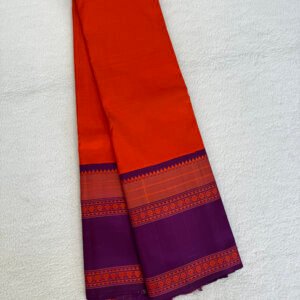
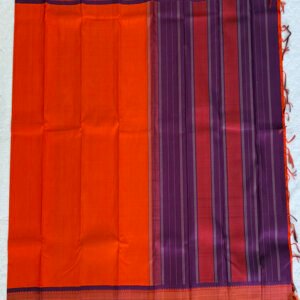
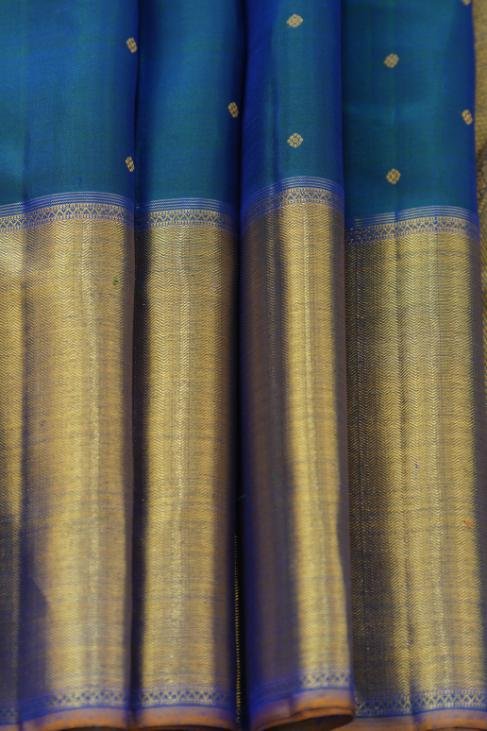
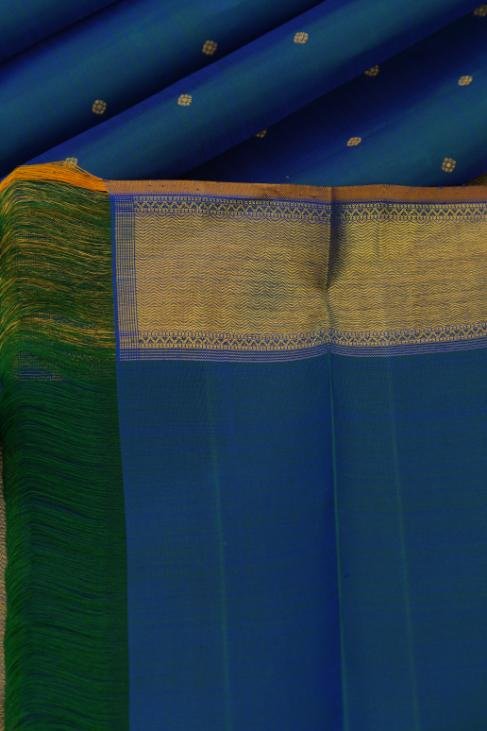
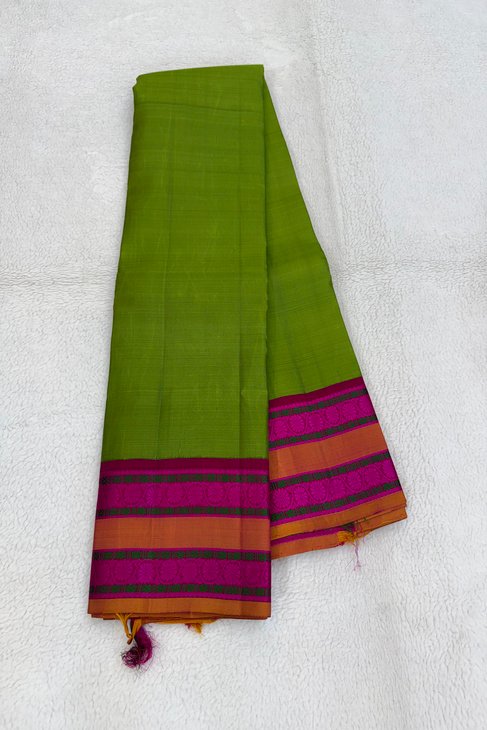
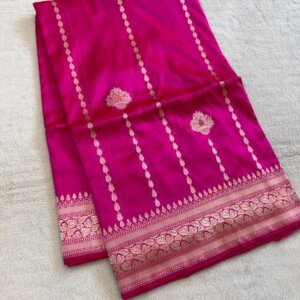
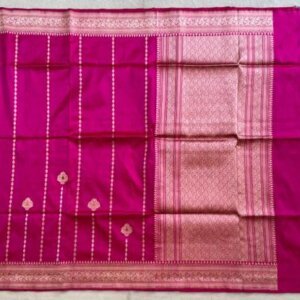
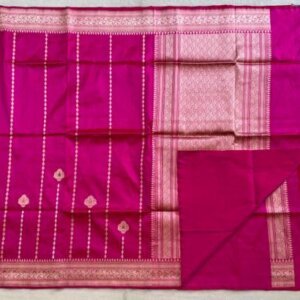
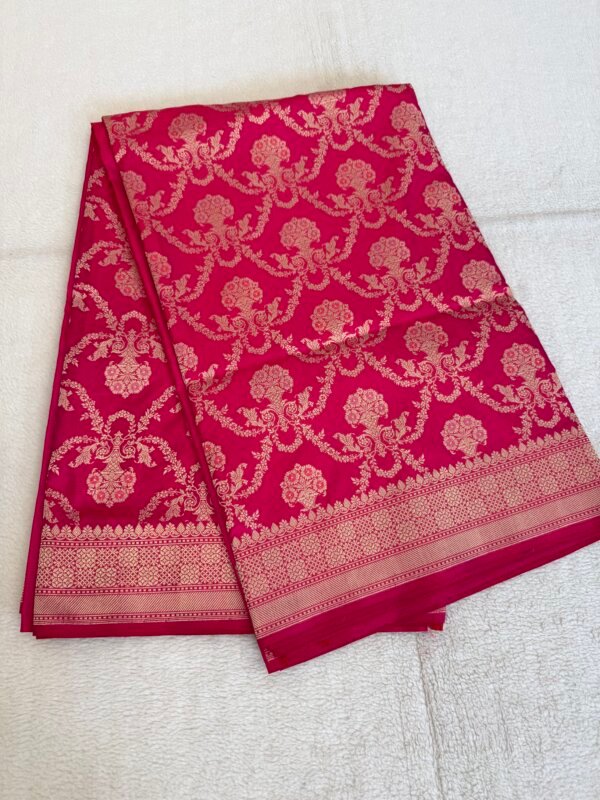
5. Peacock Blue and Magenta Pink

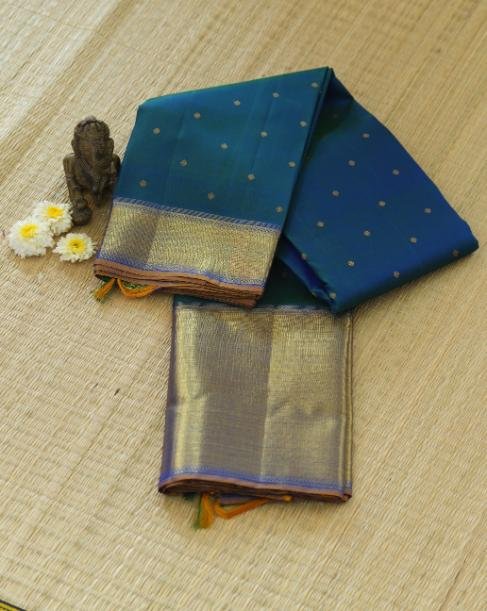
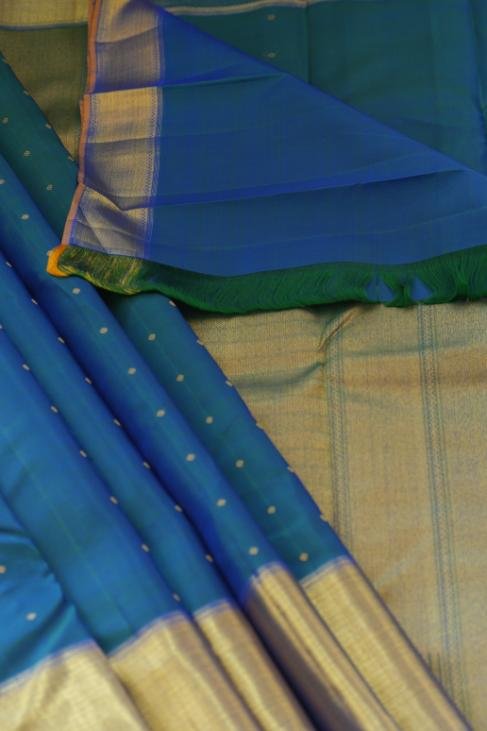
Inspired by one of India’s most celebrated birds, peacock blue and magenta pink create a vibrant combination that radiates joy and confidence. The cool brilliance of blue contrasts beautifully with the warmth of magenta, producing an energetic yet balanced composition that immediately captures attention.

This colour pairing has remained a favourite among handwoven silk sarees because it reflects the playful spirit of Indian festivals while preserving the richness associated with ceremonial attire. Whether woven into traditional Kanjivaram silks or contemporary designer interpretations, this combination continues to appeal to women across generations.

Minimal styling often works best. A classic bun adorned with fresh flowers and elegant gold jewellery allow the colours to take centre stage without unnecessary distraction.
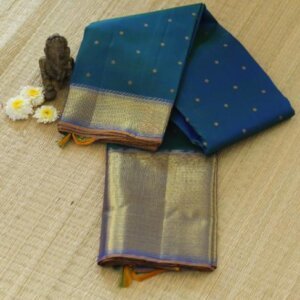
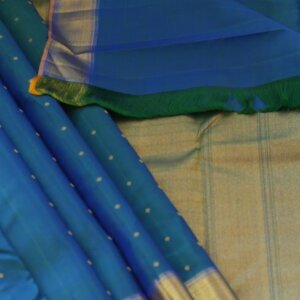
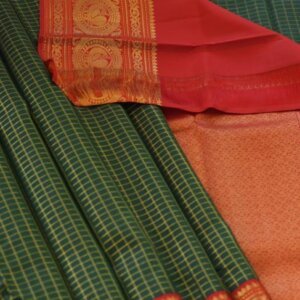
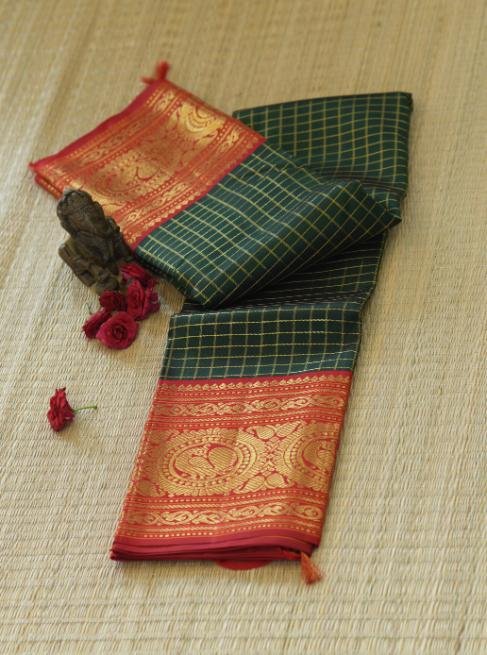
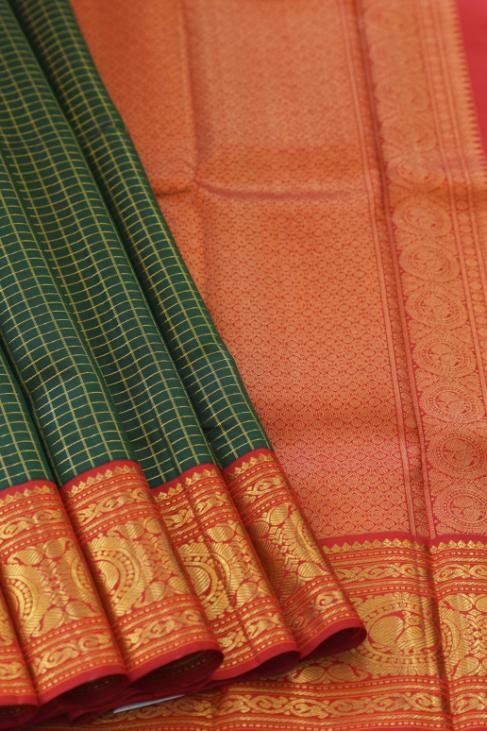
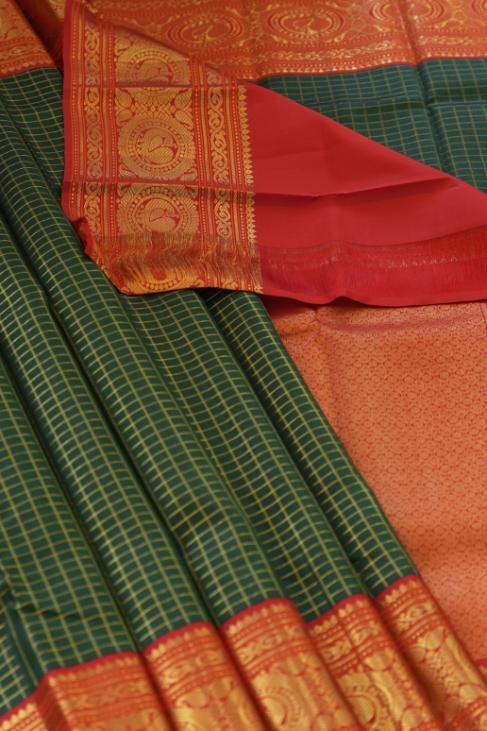
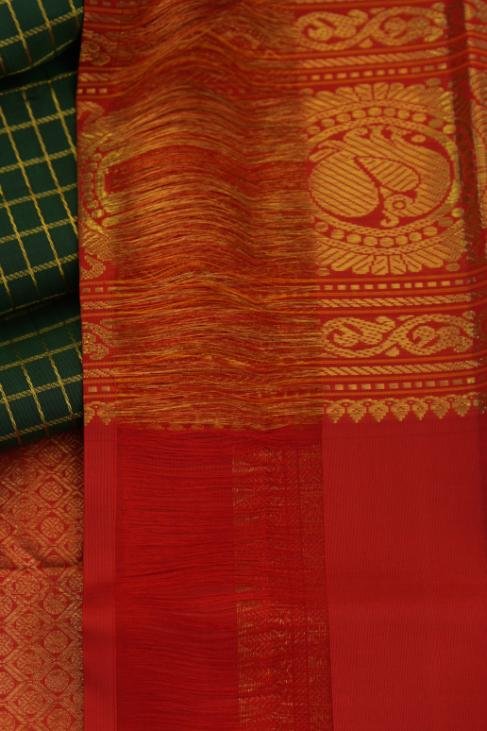
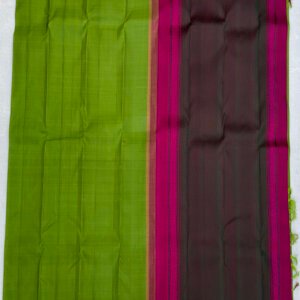
6. Bottle Green and Deep Maroon

Some colour combinations whisper sophistication rather than announcing it. Bottle green and deep maroon belong to that rare category. Together they create an atmosphere of quiet luxury that feels mature, graceful, and endlessly elegant.

These colours are especially flattering during evening events, winter weddings, and formal celebrations where richer tones naturally complement the ambience. The subtle depth of bottle green provides the perfect canvas for luxurious zari work, while maroon introduces warmth and timeless appeal.

Traditional gold necklaces, handcrafted bangles, and embroidered blouses elevate this pairing without disturbing its understated charm. It is a combination that rewards simplicity and refined styling.
7. Blush Pink and Sage Green

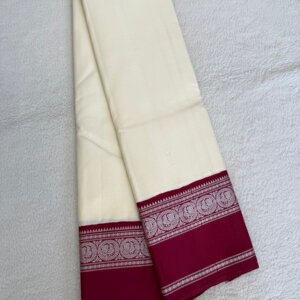
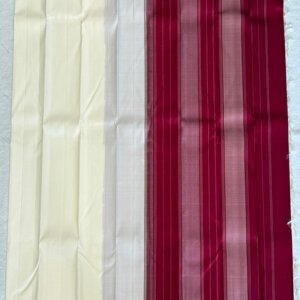
The growing appreciation for pastel tones has introduced a softer dimension to traditional silk sarees. Among these contemporary palettes, blush pink and sage green stand out for their freshness and versatility. Gentle, elegant, and effortlessly romantic, this pairing appeals to brides and wedding guests seeking a modern aesthetic rooted in traditional craftsmanship.

Unlike brighter contrasts, blush pink and sage green create visual harmony through subtle variation. The muted tones allow intricate weaving techniques, delicate zari motifs, and handcrafted borders to become more prominent.

Lightweight jewellery, fresh floral accessories, and natural makeup complete the look beautifully, creating an ensemble that feels graceful rather than heavily styled. It is a perfect example of how Indian textile traditions continue to evolve while remaining deeply connected to their heritage.
Find Your True Colors at Bhanavi’s

Choosing the right color combination is a deeply personal, beautiful journey. It depends on your skin tone, the specific occasion, the time of day, and most importantly, how the colors make you feel when you wrap the silk around you. We invite you to explore the stunning, colorful world of handlooms at Bhanavi’s and find the combination that speaks directly to your heart.

Choosing the right colour combination is ultimately about far more than following seasonal trends. Every shade reflects a mood, every contrast communicates personality, and every woven border carries generations of artistic wisdom. India’s handloom traditions have perfected the art of balancing colour through centuries of experimentation, allowing today’s wearers to experience designs that remain relevant regardless of changing fashion cycles.

The most memorable silk sarees are rarely remembered because they were expensive or heavily embellished. They are remembered because their colours linger in memory long after the celebration has ended. They become part of family photographs, treasured heirlooms, and stories shared across generations. A thoughtfully chosen colour combination has the remarkable ability to make a woman feel confident, elegant, and deeply connected to the rich textile heritage of India.

As fashion continues to embrace both innovation and tradition, handwoven silk sarees remain a timeless reminder that true style never depends on fleeting trends. It is built upon craftsmanship, culture, and colour combinations that continue to inspire admiration decade after decade. Whether you are drawn to the regal richness of crimson and emerald, the quiet sophistication of ivory and antique gold, or the contemporary charm of blush pink and sage green, every silk saree becomes extraordinary when its colours tell a story worth remembering.

Frequently Asked Questions (FAQ)

Which color combinations are best for evening events and wedding receptions?

For evening events under artificial or dim lighting, darker and richer hues work beautifully. Combinations like jet black and gold, midnight blue with mustard, slate grey with yellow, or a deep wine red are excellent choices that look highly sophisticated at night.

What exactly is a Ganga-Jamuna border on a silk saree?

A Ganga-Jamuna saree is a unique, traditional weaving style where the top border is woven in an entirely different color from the bottom border (for example, a pink top border and a green bottom border). It creates a beautiful, contrasting, and playful look when draped over the shoulder.

How do I choose the right jewelry for a heavily contrasted saree?

When wearing a saree with very bold, contrasting colors, it’s best to let the saree be the star of the show. Choose antique gold or temple jewelry that complements the metallic zari work in the border, rather than trying to match the gemstone colors exactly to the vibrant fabric.

Are pastel silk sarees appropriate for traditional weddings?

Yes, absolutely! Pastel silk sarees are becoming increasingly popular for modern weddings, especially for daytime ceremonies, outdoor events, and for bridesmaids. They offer a refreshing, contemporary take on traditional wear while still maintaining the luxurious feel of pure silk.

The Ultimate Kanjeevaram Care Guide: How to Preserve Your Silk Heirloom

Some possessions become more valuable with age. A handwritten letter, an antique piece of jewellery, a family photograph, or a handwoven Kanjeevaram silk saree. Time has a remarkable way of enriching objects that carry stories, and few textiles in the world age as gracefully as an authentic Kanjeevaram. Its lustrous silk softens with every careful drape, its zari develops a quiet warmth, and its folds begin to hold memories as securely as they hold fabric. Owning one is a privilege. Preserving one is a responsibility.

A Kanjeevaram saree is rarely bought for a single occasion. It is chosen with the understanding that it will accompany life’s most cherished moments. It may witness a bride’s wedding day, a daughter’s naming ceremony, milestone anniversaries, temple festivals, and family celebrations spread across decades. Long after fashion trends have faded, a well-preserved Kanjeevaram continues to command admiration, not because it has escaped time, but because it has travelled through it with grace.

The remarkable longevity of a Kanjeevaram saree is no accident. Woven from premium mulberry silk and traditionally crafted with intricate zari work, these masterpieces are designed to endure. Yet even the finest craftsmanship deserves thoughtful care. Proper storage, careful handling, and a few timeless practices can ensure that your saree remains as magnificent for the next generation as it is today.

1. A Silk Saree Begins Ageing the Moment It Is Folded

Many people believe that caring for a saree begins only when it requires cleaning. In reality, preservation starts the moment it is taken off after an occasion.

Silk is a natural fibre that responds to its surroundings. Humidity, prolonged pressure, sunlight, dust, perfumes, and even traces of perspiration gradually affect its texture and brilliance. While these changes are often invisible at first, they accumulate over time. A saree that is stored carelessly for years may emerge with weakened folds, faded colours, damaged zari, or permanent creases that could have been avoided with simple preventive care.

The secret to preserving silk lies not in complicated treatments but in consistent habits.

2. Always Let Your Saree Breathe Before Storing It

After returning from a wedding or celebration, the temptation is often to fold the saree immediately and place it back in the wardrobe. Textile conservation experts recommend the opposite.

Allow the saree to rest in a clean, shaded, well-ventilated room for a few hours before folding it away. This gives any absorbed moisture from the atmosphere or body heat an opportunity to dissipate naturally. Direct sunlight should always be avoided, as prolonged exposure can gradually weaken silk fibres and affect the richness of the colours.

This simple ritual, practised by generations of Indian households, remains one of the easiest and most effective ways to extend the life of handwoven silk.
3. The Art of Folding Matters More Than Most People Realise

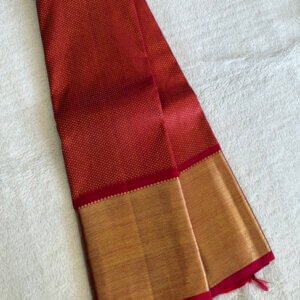
One of the most common causes of long-term damage is repetitive folding along the exact same lines.

Silk fibres gradually weaken where constant pressure is applied. Over many years, identical folds can develop into visible cracks or thinning along the creases, particularly in older heirloom sarees. To prevent this, gently refold your Kanjeevaram along different lines every few months. Rotating the folds distributes pressure more evenly across the fabric and helps preserve its strength.

The pallu and zari border deserve particular attention. These sections are often heavier than the rest of the saree and should be folded carefully without excessive compression. Patience during this process pays dividends decades later.

4. Choose Fabric Over Plastic

Luxury deserves to breathe.

One of the greatest mistakes made in silk storage is sealing sarees inside plastic covers for extended periods. Plastic traps moisture, restricts airflow, and may create conditions that encourage mildew or discolouration, particularly in humid climates.

Instead, wrap your Kanjeevaram in a clean cotton or soft muslin cloth before placing it in your wardrobe. These natural fabrics protect the silk while allowing gentle air circulation. Many families continue to preserve treasured sarees in white muslin, a practice that has survived for generations because of its remarkable effectiveness.

If your collection includes several silk sarees, avoid stacking them under excessive weight. Heavy piles create unnecessary pressure that can flatten the weave and strain delicate zari work over time.

5. Protect the Zari With Equal Care

The shimmering zari woven into a Kanjeevaram is more than decoration. It is an essential part of the saree’s artistic identity.

To minimise friction, many experienced collectors fold the saree so that the zari remains protected within the layers of silk rather than rubbing directly against other metallic threads or embellished fabrics. This reduces abrasion and helps preserve the brilliance of the woven patterns.

When storing multiple sarees together, keep heavily embroidered garments separate from delicate silk weaves. Rough embellishments can gradually catch on fine threads, causing avoidable damage.

6. Never Spray Perfume Directly on Silk

Fragrance has long been associated with celebration, but silk and perfume are not ideal companions.

Many perfumes contain alcohol and chemical compounds that may stain delicate fibres or gradually alter the finish of the fabric. If you enjoy wearing fragrance, apply it to your skin well before dressing, allowing it to dry completely before draping your saree.

The same principle applies to hairsprays, cosmetics, and deodorants. Preventing accidental contact is always easier than attempting to remove stains later.

7. Cleaning Requires Patience, Not Experimentation

A Kanjeevaram saree should never be treated like an everyday garment.

Routine machine washing, harsh detergents, vigorous scrubbing, or prolonged soaking can permanently damage silk fibres and dull the richness of the weave. Unless specifically recommended by the manufacturer, authentic Kanjeevaram sarees are best entrusted to experienced dry cleaners who understand the unique requirements of premium silk and zari.

Minor spills should be addressed immediately by gently blotting the affected area with a clean, dry cloth. Rubbing the stain often spreads it deeper into the fibres, making professional restoration more difficult.

The guiding principle is simple. When in doubt, avoid experimenting.

8. A Wardrobe Can Protect or Harm

The environment in which a saree is stored plays a greater role than many people realise.

Choose a cool, dry wardrobe away from direct sunlight and excessive humidity. Damp storage conditions encourage mould and mildew, while prolonged heat can weaken natural silk fibres. Good ventilation allows the fabric to remain fresh without exposing it to unnecessary environmental stress.

It is also beneficial to unfold treasured sarees occasionally, inspect them carefully, and allow them to breathe before refolding. This small act not only protects the fabric but also reconnects families with heirlooms that might otherwise remain forgotten for years.

Conclusion: The True Value of a Kanjeevaram

Luxury is often mistaken for rarity or price, but the true worth of a Kanjeevaram lies elsewhere. It lives in the patient rhythm of the loom, the precision of the artisan’s hands, and the generations of knowledge that continue to shape every woven motif. Each saree represents weeks of meticulous craftsmanship, preserving techniques that have been refined over centuries in the weaving town of Kanchipuram.

When a family chooses to preserve a handwoven silk saree, they are safeguarding far more than fabric. They are protecting stories, rituals, photographs, blessings, and moments that become woven into the textile with every celebration it witnesses. The saree eventually becomes a silent family archive, carrying memories that no album can fully capture.

Perhaps this is why mothers carefully unfold their wedding silks years later, showing them to daughters with the same pride they felt on the day they first wore them. The zari still catches the light, the silk still glows, and the saree continues to speak of a moment that never truly faded.

Caring for a Kanjeevaram, then, is not simply about preserving an investment. It is about honouring the extraordinary craftsmanship of India’s master weavers and ensuring that their artistry continues to be worn, admired, and cherished across generations. A well-maintained Kanjeevaram does more than survive the passage of time. It becomes part of a family’s legacy, carrying its beauty, traditions, and memories gracefully into the future.’

Frequently Asked Questions (FAQ)

Why is the zari on my Kanjeevaram saree turning black?

Zari turns black due to oxidation when it is exposed to moisture, sweat, or harsh chemicals (like perfumes or naphthalene balls). To prevent this, always air out your saree in the shade after wearing it before you store it away.

Can I spray my favorite perfume on my silk saree before an event?

No, never spray perfume directly onto a silk saree! The alcohol and chemicals in the perfume will permanently stain the silk fibers and tarnish the zari almost instantly. Always apply perfume to your wrists and neck before draping the saree.

How often should I dry clean my Kanjeevaram saree?

You should only dry clean your silk saree when absolutely necessary (e.g., if it’s visibly stained or heavily soiled). Over-dry-cleaning can diminish the silk’s natural sheen over time. Usually, simply airing it out in the shade for a few hours after wearing is sufficient to keep it fresh.

If I accidentally ironed my saree directly and the silk lost its shine, can it be fixed?

Unfortunately, heat damage to pure silk fibers is usually irreversible, which is why a pressing cloth is mandatory. Always consult a professional heritage textile restorer for severe damage, but prevention is the only true cure.

Banarasi vs. Kanjeevaram: Decoding India’s Most Luxurious Silks

There are few garments in the world that can claim the kind of reverence reserved for an Indian silk saree. They are not merely articles of clothing. They are repositories of history, living museums of craftsmanship, and enduring symbols of a civilisation that has celebrated textiles as an art form for thousands of years. Among India’s many celebrated handwoven traditions, two names have come to define the very pinnacle of luxury: the Banarasi silk of North India and the Kanjeevaram silk of the South. Both are masterpieces in their own right, yet they could not be more different in character, craftsmanship, and cultural identity.

For anyone looking to invest in a truly exceptional silk saree, the choice between a Banarasi and a Kanjeevaram is rarely straightforward. Both are heirloom-worthy. Both are painstakingly handcrafted. Both have adorned queens, brides, artists, and women who understand that true luxury is measured not by labels but by the hands that create it. Yet each tells a different story. One whispers of the sacred ghats of Varanasi, where silk has flourished under the patronage of emperors and master artisans for centuries. The other echoes the grandeur of South Indian temples, where architectural splendour, mythology, and devotion have inspired generations of weavers. Understanding these two extraordinary traditions is not simply a lesson in fashion. It is an invitation to appreciate the remarkable diversity of India’s textile heritage.

FeatureBanarasi SilkKanjeevaram Silk
OriginVaranasi, Uttar PradeshKanchipuram, Tamil Nadu
InspirationMughal & Persian artSouth Indian temples & mythology
Silk TypeFine silk with zari brocadePure mulberry silk
Weaving TechniqueIntricate brocade weaving with metallic zariBody, border & pallu woven separately and interlocked
TextureSoft, smooth & lightweightRich, thick & structured
DrapeFluid and gracefulCrisp, regal and well-defined
DurabilityStrong with proper careExtremely durable and heirloom-worthy
Signature MotifsFloral vines, Paisleys, Butis, Jaal patternsTemple borders, Peacocks, Lotus, Yali, Rudraksha
Design StyleDelicate, intricate and elegantBold, vibrant and architectural
BordersElegant woven bordersWide contrasting borders
Zari WorkFine, detailed brocadeBold and prominent zari work
Colour PaletteSoft pastels, rich jewel tones, traditional redsBright contrasting colours, gold, maroon, green, royal blue
WeightLightweight to mediumMedium to heavy
Best ForReceptions, festive occasions, elegant celebrationsWeddings, traditional ceremonies and bridal wear
Bridal AppealRoyal North Indian eleganceGrand South Indian bridal tradition
Craftsmanship TimeSeveral weeks to monthsSeveral weeks to months
Investment ValueLuxurious heirloom with timeless appealHighly durable heirloom passed through generations
Ideal ForThose who prefer intricate detailing and graceful drapesThose who love bold designs, rich texture and traditional grandeur

Two Cities, Two Legacies

Every great textile tradition begins with a place, and few places have shaped Indian craftsmanship as profoundly as Varanasi and Kanchipuram.

Nestled along the banks of the River Ganga, Varanasi has been one of the world’s oldest continuously inhabited cities and a renowned centre of silk weaving for centuries. The Banarasi saree evolved through a fascinating exchange of Indian craftsmanship and Persian artistic influences, particularly during the Mughal era. Floral vines, intricate jaals, elegant paisleys, and elaborate brocade patterns became defining characteristics of the weave, creating textiles that reflected both imperial refinement and Indian artistry. Over generations, weaving families transformed these influences into a uniquely Indian tradition that continues to captivate connoisseurs across the world.

Several hundred kilometres away in Tamil Nadu lies Kanchipuram, a city often celebrated as the “Silk City of India.” Here, the story of silk is inseparable from the towering temple complexes that dominate its landscape. Temple sculptures, carved pillars, sacred geometry, and ancient mythology inspired motifs that remain central to Kanjeevaram weaving even today. Every border, every geometric pattern, every stylised peacock or yali carries echoes of South India’s architectural and spiritual heritage. Unlike the delicate intricacy often associated with Banarasi silk, Kanjeevaram celebrates boldness, structure, and enduring strength.

These cities did not simply produce textiles. They nurtured artistic ecosystems where weaving became a way of preserving culture itself.

The Difference Lies in the Loom

At first glance, both sarees appear equally luxurious. A closer look reveals two entirely different philosophies of weaving.

Banarasi silk is admired for its remarkably intricate brocade work. Fine silk yarns are woven together with metallic zari threads to create elaborate motifs that often appear almost embroidered into the fabric. The weave feels fluid, graceful, and luminous. The artistry lies in extraordinary detail. A single saree may contain thousands of tiny woven elements that collectively create a design so seamless that it resembles a painting brought to life through silk.
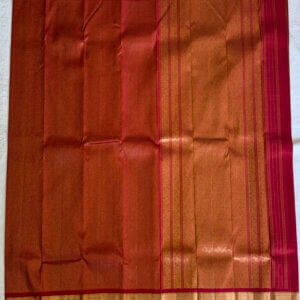
Kanjeevaram weaving, by contrast, is defined by structural brilliance. Traditionally crafted from high-quality mulberry silk, the saree is celebrated for its durability, rich texture, and architectural precision. One of its most remarkable features is the traditional technique of weaving the body, border, and pallu separately before joining them together through an exceptionally strong interlocking process. This method produces the striking colour contrasts for which Kanjeevaram sarees are famous while ensuring that the saree remains extraordinarily resilient, often lasting for generations with proper care.

It is this engineering as much as artistry that has earned Kanjeevaram its legendary reputation among textile historians and collectors.

Motifs That Speak the Language of Culture

Every motif woven into silk carries meaning, whether symbolic, spiritual, or historical.

Banarasi sarees are celebrated for floral vines, intricate butis, Persian-inspired jaals, mango motifs, and decorative patterns influenced by Mughal gardens and royal court aesthetics. Their beauty lies in elegance and complexity. They invite the viewer to come closer, rewarding attention with ever finer details hidden within the weave.

Kanjeevaram motifs possess an altogether different visual language. Temple borders, rudraksha patterns, checks, stripes, peacocks, elephants, parrots, lotuses, and mythical yali figures reflect centuries of South Indian artistic traditions. Rather than emphasising delicate intricacy, these motifs communicate strength, symmetry, and sacred symbolism. Every design feels deliberate, balanced, and monumental, much like the temples that inspired them.

Neither tradition is superior. Each reflects the cultural imagination of its region with extraordinary authenticity.

Texture, Weight, and the Art of Draping

The experience of wearing these two silks is as different as their appearance.

A Banarasi saree often feels softer, more fluid, and naturally graceful. Its elegant drape allows the brocade work to catch changing light beautifully, making it particularly suited to receptions, evening celebrations, and occasions where effortless sophistication takes centre stage. The fabric falls gently around the body, creating movement that appears almost lyrical.

A Kanjeevaram saree possesses greater structure. The silk has a substantial weight that allows the pleats to remain crisp while giving the pallu remarkable definition. When draped, it creates a majestic silhouette that immediately commands attention. This distinctive structure explains why generations of South Indian brides continue to choose Kanjeevaram for their wedding ceremonies. The saree carries itself with quiet authority, requiring little embellishment to create an unforgettable impression.

Neither drape is better. They simply express different ideas of elegance.

Which Silk Defines Bridal Luxury?

Both Banarasi and Kanjeevaram have become synonymous with Indian bridal fashion, yet they embody two distinct bridal aesthetics.

A Banarasi bridal saree evokes old-world romance. Its shimmering zari, intricate floral patterns, and regal softness create a look that feels poetic, timeless, and steeped in North India’s royal traditions. It pairs beautifully with heritage jewellery, heirloom accessories, and classic bridal styling that celebrates understated grandeur.

A Kanjeevaram bridal saree, meanwhile, radiates ceremonial magnificence. Rich jewel tones, bold contrast borders, and architectural motifs create an unmistakable sense of occasion. The saree becomes the visual centrepiece of the wedding itself, reflecting centuries of South Indian customs where silk plays an integral role in sacred rituals and family traditions.

The choice often depends less on fashion than on personal heritage, regional customs, and emotional connection.

Investing in an Heirloom

Luxury today is increasingly defined by authenticity, craftsmanship, and longevity rather than fleeting trends. In that sense, both Banarasi and Kanjeevaram stand apart from mass-produced fashion.

Every authentic handwoven silk saree represents weeks, and sometimes months, of painstaking labour by skilled artisans who have inherited their knowledge across generations. No machine can fully replicate the subtle irregularities, precision, and character of a handloom weave. Every completed saree carries the invisible signatures of the craftspeople who created it.

An investment in either silk is therefore not simply a purchase. It is a commitment to preserving India’s extraordinary handloom traditions and supporting weaving communities whose artistry continues to define the country’s cultural identity.

Perhaps that explains why these sarees are so rarely discarded. They are carefully folded after celebrations, wrapped in soft muslin, aired occasionally, and passed from one generation to the next. Years later, a daughter or granddaughter unfolds the same silk and discovers that its beauty has not faded. Along with its colours and motifs come memories of weddings, blessings, family photographs, and stories told around festive gatherings.

In an age where fashion often changes with every season, Banarasi and Kanjeevaram remind us that true luxury is timeless. They ask us to slow down, to appreciate the patience of the artisan, the rhythm of the loom, and the cultural wisdom woven into every thread. Choosing between them is not about deciding which is more luxurious. It is about deciding which story you wish to carry forward.

Whether your heart is drawn to the ethereal elegance of a Banarasi or the majestic grandeur of a Kanjeevaram, you are not simply choosing a saree. You are embracing one of India’s greatest artistic traditions, a legacy woven in silk that continues to inspire admiration across generations and across the world.

Frequently Asked Questions (FAQ)

Which is generally heavier, a Banarasi or a Kanjeevaram saree?

Traditional bridal Kanjeevarams tend to be heavier because they use thicker, twisted mulberry silk threads and very dense, solid zari borders. However, it’s important to note that lightweight, modern versions of both sarees are now widely available for easier draping and longer wear.

Can I wear a Banarasi silk saree for a traditional South Indian wedding?

Absolutely! While a Kanjeevaram is the strictly traditional choice for the main Muhurtham (morning ceremony), many modern South Indian brides are choosing to wear stunning Banarasi silk sarees for their evening receptions or pre-wedding ceremonies to enjoy a softer, more fluid aesthetic.

How do I maintain and care for these expensive silk sarees?

Both Kanjeevaram and Banarasi sarees require strict professional dry-cleaning. Never wash them at home. Store them wrapped in a breathable cotton or muslin cloth (never plastic), and be sure to unfold and refold them along different crease lines every few months to prevent the delicate zari from breaking.

The Complete Guide to Gifting Silk Sarees for Weddings and Anniversaries

There are gifts that delight for a season, and there are gifts that become part of a family’s history. A bouquet eventually fades. A piece of technology becomes obsolete. Even the finest luxury accessories quietly give way to changing tastes. A handwoven silk saree, however, belongs to a different world altogether. It is one of the rare gifts that grows richer with time, gathering memories, emotions, and stories with every occasion on which it is worn. In India, where textiles have always held a place of honour, presenting someone with a silk saree is not simply an exchange of fabric. It is an expression of respect, affection, gratitude, and enduring love.

Across generations, silk sarees have marked some of life’s most meaningful milestones. They have been gifted to daughters on their wedding day, to mothers as tokens of gratitude, to sisters during family celebrations, and to wives on milestone anniversaries that celebrate years of companionship. The beauty of this tradition lies in its permanence. Long after the celebration has ended, the saree remains, folded carefully inside a wardrobe, waiting for the next special occasion. Each time it is draped, it quietly recalls the person who gifted it and the moment it became part of the family’s story.

Choosing such a gift, however, deserves thoughtful consideration. A silk saree is deeply personal. It reflects not only the taste of the person receiving it but also the intention of the person giving it. The finest gifts are those that feel chosen rather than purchased, where every colour, weave, and motif seems to say, “I know you.”

Why a Silk Saree Remains the Ultimate Luxury Gift

Luxury is often associated with exclusivity, but true luxury is equally about meaning. A handwoven silk saree embodies both.

Unlike mass-produced gifts, every authentic silk saree represents weeks, and sometimes months, of painstaking craftsmanship. Behind every completed weave stands an artisan whose skills have often been inherited through generations. Every motif is created with intention, every border balanced with precision, and every thread placed through a process that demands extraordinary patience.

When you present someone with a handwoven silk saree, you are offering far more than an elegant garment. You are gifting a living tradition, preserving one of India’s greatest artistic legacies while celebrating a moment that deserves to be remembered for years to come.

Perhaps that is why silk sarees continue to hold their place even in an age of changing fashion. Trends evolve. Craftsmanship endures.

Choosing the Right Silk for the Right Occasion

Not every celebration calls for the same expression of elegance, and the beauty of India’s weaving traditions lies in their remarkable diversity.

For weddings, few gifts carry the emotional weight of a Kanjeevaram silk saree. Celebrated for its rich mulberry silk, contrasting borders, and magnificent zari work, it has become synonymous with grandeur across generations. A Kanjeevaram gifted to a bride is rarely viewed as a garment for a single ceremony. More often, it becomes an heirloom that accompanies her through future family celebrations before eventually finding its place in the hands of the next generation.

A Banarasi silk saree offers a different kind of luxury. Its intricate brocade weaving, delicate floral patterns, and luminous texture create an elegance that feels quietly regal. For receptions, anniversaries, or families that appreciate the refined artistry of North Indian weaving traditions, a Banarasi possesses a timeless sophistication that never seeks attention yet always commands admiration.

The decision between these celebrated silks is less about choosing one over the other and more about understanding the personality and traditions of the person who will wear it.

Let the Recipient Guide the Choice

The most memorable gifts are those that feel deeply personal.

Some women naturally gravitate towards bold jewel tones that celebrate India’s vibrant festive traditions. Others find beauty in understated elegance, preferring ivory, muted gold, soft rose, or subtle pastel silks that speak through refinement rather than brilliance. Paying attention to these preferences transforms the gift from a luxurious purchase into an intimate gesture.

Regional traditions can also play a meaningful role. Families often treasure weaving styles that reflect their cultural roots, while others delight in discovering the textile heritage of another part of the country. Both choices are equally thoughtful when guided by genuine understanding.

The finest gift is never simply expensive. It is appropriate.

Colour Carries Emotion

Every colour tells a story, particularly within Indian celebrations where symbolism has long shaped textile traditions.

Rich shades of crimson, vermilion, emerald, royal blue, and deep maroon continue to represent joy, prosperity, strength, and celebration, making them enduring choices for weddings. Softer palettes such as champagne gold, blush pink, sage green, ivory, and muted lavender have become increasingly popular for anniversaries, daytime ceremonies, and contemporary celebrations where elegance is expressed with subtlety.

Gold zari remains a timeless companion to almost every silk palette, lending warmth and richness without diminishing the individuality of the weave itself.

Choosing colour thoughtfully demonstrates care, reminding the recipient that every detail has been considered with affection.

The Beauty Lies in the Weave

It is easy to be captivated by colour, yet the soul of a handwoven silk saree lies in its craftsmanship.

Before choosing a saree as a gift, spend time appreciating the details that distinguish authentic weaving. Observe how the motifs emerge naturally from the loom rather than appearing printed or mechanically repetitive. Notice the precision of the borders, the richness of the silk, the balance of the composition, and the way light dances across the zari.

These are not merely decorative features. They are evidence of countless hours spent by artisans whose mastery cannot be replicated by machines.

When you understand the weave, you begin to appreciate why a handwoven saree feels so profoundly different from an ordinary piece of fabric.

Presentation Is Part of the Gift

Luxury begins long before the wrapping is removed.

A beautifully folded silk saree presented in an elegant handcrafted box or wrapped in soft muslin immediately communicates respect for the gift inside. Many families include a handwritten note explaining why that particular saree was chosen, turning the presentation into something deeply personal.

Unlike conventional gifts that are opened, admired, and set aside, a silk saree invites conversation. Stories emerge about weddings, family traditions, cherished heirlooms, and memories that connect generations. The gift becomes part of the celebration itself.

Sometimes the words accompanying the saree become as treasured as the silk it contains.

A Gift That Travels Through Generations

Perhaps the greatest beauty of gifting a silk saree lies in the fact that its journey rarely ends with its first owner.

Years later, it may be worn again at another wedding, another festival, another milestone that brings the family together. It appears in photographs taken decades apart, connecting different generations through the same weave, the same colours, and the same emotions. Eventually, it may be lovingly passed on, carrying with it not only exceptional craftsmanship but also the memories of every celebration it has witnessed.

Few gifts possess this extraordinary ability to outlive the moment for which they were given.

In an age where convenience often replaces thoughtfulness, choosing a handwoven silk saree remains a quiet act of intention. It says that some occasions deserve patience, craftsmanship, and meaning. It acknowledges the artistry of India’s weaving communities while celebrating the person who will one day unfold the saree and remember exactly who placed it in their hands.

Whether it is a radiant Kanjeevaram chosen for a bride beginning a new chapter, a graceful Banarasi gifted to a mother whose love has shaped generations, or an exquisite silk presented to celebrate decades of marriage, the gesture carries a significance that extends far beyond fashion. It becomes part of a family’s narrative, woven into its celebrations and preserved within its memories.

That is the enduring magic of gifting a silk saree. It is never simply a present. It is a legacy wrapped in silk, offered with love, and destined to become a cherished chapter in someone else’s story.

Frequently Asked Questions (FAQ)

Is it appropriate to gift a black silk saree for a wedding?

In many traditional Indian customs, black is avoided for weddings and religious ceremonies as it is not considered auspicious. It is much safer and more traditional to choose colors like red, yellow, green, or pink for gifting.

How do I know if the silk saree I am gifting is pure?

Purity is everything when gifting an heirloom. Always buy from reputable heritage weavers like Bhanavi’s. Our pure silk sarees are verified for their authenticity, ensuring you are gifting a genuine asset.

What is the best lightweight silk saree for gifting to an older relative?

Tussar silk, Banarasi Georgette, and Khadi or Soft Silk Kanjeevarams are excellent options. They offer a luxurious, premium feel without the heavy physical weight of traditional bridal sarees, making them much easier and more comfortable to wear.

Should I dry clean the saree before gifting it?

No, brand new premium silk sarees from reputable weavers come freshly finished and folded perfectly. Do not dry clean them before gifting; present them exactly as they are packaged by the boutique to maintain the crisp, new feel.

Wedding Saree Styling: How to Accessorize Your Bridal Silk Like a Queen

A wedding saree is never just six or nine yards of fabric. It is memory woven into silk, tradition embroidered with emotion, and heritage carried with quiet pride. Wedding Saree Styling is not about wearing more but it is about wearing every element with purpose, allowing the saree to remain the soul of the bridal ensemble while every accessory gently amplifies its story.

Why Wedding Saree Styling Matters

For an Indian bride, the wedding saree represents something far more profound than ceremonial attire. It is an heirloom in the making. It is often the first garment chosen long before the invitations are printed or the flowers are ordered. Mothers preserve them for decades, grandmothers pass them down as blessings, and daughters unfold them years later, discovering the fragrance of family traditions tucked carefully between folds of silk.
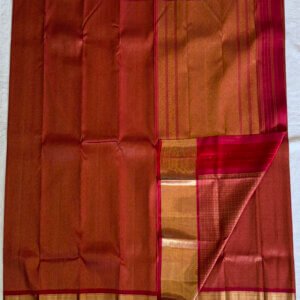
Whether it is a luminous Kanjivaram from Tamil Nadu, an elegant Banarasi masterpiece from Varanasi, a regal Paithani from Maharashtra, or a rich Patola from Gujarat, every bridal silk saree carries centuries of craftsmanship, culture, and artistry. Wedding Saree Styling is therefore not merely about fashion. It is about respecting its legacy while allowing the bride’s individuality to shine.
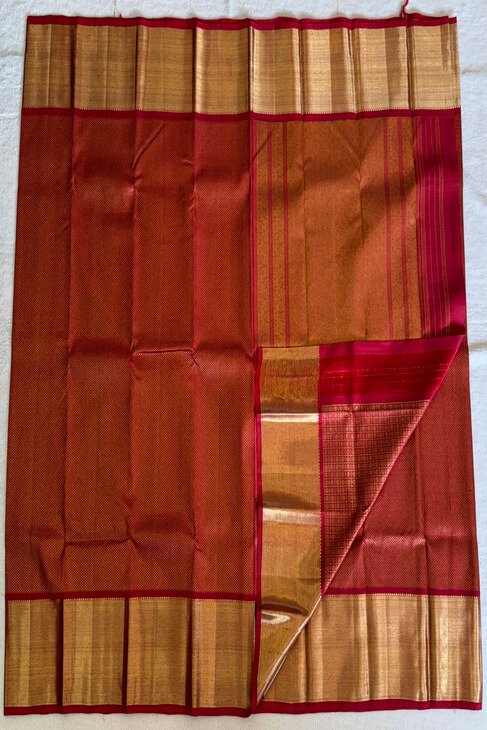
Choose the Perfect Blouse for Wedding Saree Styling

One of the most transformative elements of Wedding Saree Styling begins with the blouse. Gone are the days when brides instinctively matched blouse and saree in identical shades. Contemporary bridal fashion celebrates thoughtful contrasts that add depth, sophistication, and personality.

A deep emerald blouse beneath a crimson silk saree creates a look rooted in royal elegance, while shades like aubergine, navy, maroon, or muted gold introduce subtle drama without overwhelming the richness of the weave. Texture has become equally important. Hand embroidery, zardozi work, delicate bead detailing, traditional zari motifs, or intricate handwoven sleeves can elevate the ensemble while remaining harmonious with the saree’s design.

The blouse should never compete with the saree; instead, it should complete it, framing the drape like a carefully chosen frame enhances a priceless painting.

Master the Art of Draping Your Bridal Saree

The way a saree is draped can alter its personality entirely. Across India, every region has developed draping traditions that reflect local customs, climates, and ceremonial practices.

While many brides choose the classic Nivi drape for its graceful silhouette and timeless elegance, wedding traditions often embrace distinctive regional styles that carry deep cultural significance. The Madisar drape worn during Tamil Brahmin weddings, the Nauvari drape associated with Maharashtra, the Kodagu style from Karnataka, and the Bengali Atpoure drape each narrate stories of heritage and identity.

Even within modern weddings, brides increasingly adapt these traditional techniques to suit contemporary aesthetics without sacrificing authenticity. Carefully arranged pleats, a beautifully structured pallu, and meticulous pinning create movement that photographs beautifully while ensuring comfort through long ceremonies.

A perfectly draped saree allows the bride to move naturally, greet loved ones confidently, and participate in every ritual without constantly adjusting her attire.

Wedding Saree Styling with the Right Jewellery

Jewellery has long been considered the crown of bridal styling, but true elegance lies in restraint rather than excess.

Traditional temple jewellery, inspired by South Indian temple sculptures and crafted with motifs of deities, lotuses, peacocks, and mythical creatures, possesses a commanding presence of its own. When paired with a richly woven silk saree, balance becomes essential.

If the necklace is elaborate and layered, the earrings can remain comparatively understated. If statement jhumkas become the focal point, a lighter necklace allows visual harmony. Every ornament should converse with another instead of competing for attention.

Antique gold finishes complement the warm glow of silk exceptionally well, while handcrafted details echo the artistry found within traditional weaving itself.

Layer Bridal Necklaces with Balance

Bridal necklaces often become emotional heirlooms passed down through generations, carrying stories that extend beyond their material value. Layering jewellery successfully requires thoughtful proportions rather than simply adding more pieces.

A close-fitting choker paired with a longer haram creates depth without appearing cluttered. Delicate kasu malas, mango-motif necklaces, pearl strands, or gemstone accents may be introduced depending on regional customs and the visual weight of the saree.

Every additional layer should enhance the bride’s silhouette while allowing her face to remain the true focal point.

Complete Your Wedding Saree Styling with Hair Accessories

No bridal ensemble feels complete without carefully chosen earrings, forehead adornments, and hair accessories.

A maang tikka or a traditional nethi chutti frames the face with remarkable elegance, naturally drawing attention to the bride’s expressions during sacred rituals. Jhumkas continue to remain timeless favourites because they introduce movement, catching light with every smile and every turn of the head.

Fresh jasmine garlands intertwined into a bridal bun remain one of India’s most enduring symbols of beauty. Their delicate fragrance, combined with the richness of silk and antique gold, creates a sensory experience that transcends fashion.

Increasingly, brides are blending fresh flowers with handcrafted hair ornaments, creating hairstyles that feel simultaneously rooted in tradition and unmistakably contemporary.

Match Colours Thoughtfully

The beauty of bridal styling also lies in understanding colour harmony. Every accessory should acknowledge the colour palette of the saree rather than disrupt it.

Brides wearing vibrant reds or deep maroons often benefit from antique gold jewellery, while emeralds, rubies, uncut diamonds, or pearls can introduce subtle accents without overpowering the overall composition.

Softer bridal silks in ivory, gold, pastel pink, or muted coral invite a lighter approach, allowing delicate gemstones and refined craftsmanship to speak quietly.

True luxury is rarely loud; it reveals itself through thoughtful coordination and understated confidence.

Don’t Overlook Bridal Footwear

Footwear, though often hidden beneath flowing pleats, deserves equal consideration.

Weddings involve hours of standing, walking, and participating in elaborate ceremonies. Beautiful handcrafted juttis, embroidered mojaris, traditional sandals, or comfortable wedges frequently provide greater ease than towering heels.

Grace is reflected not in height but in comfort, confidence, and natural movement. A bride who walks comfortably carries herself with an effortless poise that no accessory alone can create.

Blend Tradition with Personal Style

Modern bridal styling has also embraced the importance of preserving authenticity in an age of fleeting trends. Social media introduces countless fashion inspirations every day, yet the most memorable bridal looks are rarely those that imitate another bride.

They are the ones that honour family traditions while reflecting individual personality. Some brides choose heirloom jewellery instead of newly purchased sets. Others incorporate their mother’s wedding saree into one ceremony or style vintage accessories with contemporary blouses.

These deeply personal choices transform styling into storytelling, reminding everyone present that weddings celebrate continuity as much as new beginnings.

Celebrate India’s Handwoven Silk Heritage

Equally significant is the growing appreciation for India’s extraordinary textile heritage.

Behind every bridal silk saree stand generations of master weavers who dedicate weeks, and often months, to producing a single masterpiece. Their understanding of colour, zari, motifs, balance, and craftsmanship has been refined over centuries.

When a bride chooses an authentic handwoven silk saree, she becomes part of that continuing narrative, supporting traditions that have survived changing empires, evolving fashions, and industrial production.

Styling such a saree thoughtfully is therefore an act of respect—not only for personal heritage but also for the artisans whose hands transformed silk threads into works of art.

The Secret to Timeless Wedding Saree Styling

Perhaps the greatest misconception in bridal fashion is the belief that elegance comes from abundance. In reality, timeless Wedding Saree Styling is built upon balance.

Every carefully chosen accessory should celebrate the saree rather than overshadow it. Every fold should appear effortless, every ornament intentional, every colour harmonious.

The bride herself should remain at the centre of the composition, radiant not because she is adorned with everything, but because every element has been chosen with care.

Final Thoughts

A bridal silk saree possesses a quiet majesty that requires no exaggeration. It already carries history in its weave, blessings in its folds, and emotion in every shimmering thread.

Wedding Saree Styling like a queen is therefore not about excess or extravagance. It is about understanding proportion, embracing tradition, honouring craftsmanship, and wearing each piece with confidence.

When these elements come together, the result is not simply a beautiful bridal look, it is a portrait of heritage, grace, and timeless Indian elegance that will remain as unforgettable decades later as it is on the wedding day itself.

Frequently Asked Questions (FAQ)

Should my blouse color match my saree border or the body?

Either approach works beautifully! Matching the border creates a bold, traditional contrast, while matching the body creates an elegant, elongating monotone effect. Choose based on whether you want a classic or contemporary vibe.

What kind of jewelry goes best with silver zari Kanjeevarams?

If your saree is woven with silver zari, we highly recommend antique silver, white gold, diamond, or platinum-finished Kundan jewelry. Bright yellow gold can clash harshly with silver tones.

Is it really necessary to wear a waist belt (Kamarbandh)?

While not strictly mandatory, a Kamarbandh is highly recommended for brides. It beautifully highlights the waist and provides incredible structural support to hold heavy silk pleats in place during long rituals.

Can I drape a heavy Kanjeevaram saree in a modern, non-traditional way?

While traditional drapes like the Nivi are popular because they securely handle the weight of the silk, many modern brides experiment with lehenga-style drapes or Coorgi styles for their receptions to allow for easier movement and a unique aesthetic.

Top Bridal Silk Sarees for Weddings in 2026

Indian weddings have always been a celebration of heritage, craftsmanship, and timeless style. In 2026, bridal fashion is embracing a beautiful balance between tradition and individuality, and at the heart of this evolution remains one iconic choice: the silk saree.

For brides across India and beyond, silk sarees continue to define elegance in its purest form. Rich weaves, intricate zari work, handloom artistry, and heirloom-worthy craftsmanship are once again taking center stage in bridal wardrobes. While contemporary bridal trends continue to evolve, the emotional and cultural significance of silk sarees remains unmatched.

As the 2026 wedding season unfolds, several silk saree styles are emerging as favorites among modern brides seeking sophistication, grandeur, and authenticity.

Kanjivaram Silk Sarees Continue to Reign Supreme

No bridal silk saree list is complete without the timeless Kanjivaram. In 2026, the classic weave from Kanchipuram remains the most sought-after choice for South Indian weddings and luxury bridal trousseaus across the country.

This year, brides are leaning toward rich jewel tones such as ruby red, emerald green, deep maroon, royal purple, and burnt orange. Traditional temple borders and heavy gold zari work continue to dominate, but there is also a growing preference for softer contrasts and elegant monotone palettes.

Designers and premium saree houses are also seeing demand for antique zari Kanjivarams that offer a more understated vintage aesthetic compared to bright metallic gold finishes.

For brides who want a regal and timeless wedding look, the Kanjivaram remains unrivaled.

Banarasi Silks Are Making a Strong Revival

Banarasi silk sarees are witnessing a remarkable resurgence in bridal fashion for 2026. Known for their Mughal-inspired motifs, fine silk texture, and opulent brocade work, these sarees are becoming a preferred choice for reception ceremonies, engagement functions, and evening weddings.

This season, handwoven Banarasis in shades of champagne gold, blush pink, ivory, wine, and midnight blue are particularly popular among younger brides seeking a refined luxury aesthetic.

The appeal of Banarasi silk lies in its versatility. It can look grand without appearing overly traditional, making it ideal for brides who want elegance with contemporary styling.

Pairing heritage Banarasi sarees with modern blouses, statement diamonds, and minimal styling is one of the defining bridal trends of 2026.

Handloom Bridal Sarees Gain Importance

Today’s bridal shoppers are more conscious than ever about craftsmanship and authenticity. As a result, handloom bridal sarees are seeing renewed appreciation among elite clientele.

Brides are actively seeking sarees that tell a story through weaving traditions, artisanal heritage, and regional craftsmanship. From pure Mysore silks and Gadwal weaves to Paithani and Patola sarees, handloom bridal collections are becoming increasingly curated and exclusive.

Many brides are now investing in sarees that can later become heirloom pieces rather than one-time wedding garments.

This shift reflects a larger trend in luxury fashion where craftsmanship and individuality are valued over mass-produced glamour.

Katan Silk Sarees Are Redefining Bridal Sophistication

Among the standout bridal trends of 2026 is the growing demand for Katan silk sarees. Known for their luxurious texture and fine weaving, Katan silks are becoming a preferred choice for brides who appreciate understated grandeur.

Traditionally associated with Banarasi craftsmanship, Katan silk sarees are woven using pure silk threads twisted together to create a fabric that is both durable and exceptionally elegant. The result is a saree with a rich structure, graceful drape, and timeless appeal.

This wedding season, brides are embracing Katan silk sarees in regal shades such as deep red, emerald green, ivory gold, and royal blue. Intricate brocade weaving, delicate zari motifs, and sophisticated floral patterns are especially popular for engagement ceremonies and wedding receptions.

What makes Katan silk particularly appealing to modern brides is its balance between heritage and refinement. It offers grandeur without excessive heaviness, making it ideal for brides seeking elegance that feels classic rather than overpowering.

Kalamkari Sarees Bring Artistry Into Bridal Fashion

Another emerging trend in bridal sarees for 2026 is the rise of Kalamkari silk sarees. Known for their hand-painted and hand-block printed artistry, Kalamkari sarees are attracting brides who want individuality and cultural richness in their wedding wardrobe.

Unlike conventional bridal silks focused purely on zari and embellishment, Kalamkari sarees stand out for their storytelling aesthetics. Traditional motifs inspired by mythology, nature, temple art, and floral patterns give these sarees a deeply artistic identity.

Designers are now blending Kalamkari art with luxurious silk bases, creating bridal sarees that feel distinctive, heritage-driven, and contemporary at the same time. Rich earthy tones, muted gold accents, maroon palettes, indigo shades, and antique finishes are particularly sought after this season.

Many brides are choosing Kalamkari silk sarees for pre-wedding events, intimate ceremonies, and bridal trousseau collections because they offer a refreshing alternative to heavily embellished ensembles.

In 2026, bridal fashion is clearly moving toward craftsmanship and individuality, and Kalamkari sarees embody both beautifully.

Personalized Bridal Weaves Are Growing in Demand

Customization is another major trend shaping bridal saree shopping in 2026.

Many premium saree brands are now offering bespoke bridal silk sarees featuring personalized motifs, initials woven into the design, custom color combinations, and exclusive zari patterns.

Brides increasingly want uniqueness in their wedding attire rather than designs that feel widely replicated.

This demand for exclusivity has elevated the importance of handcrafted weaves and limited-edition collections.

For luxury bridal clients, personalization is no longer an extra feature. It is an expectation.

Sustainable Luxury Is Becoming a Bridal Priority

Sustainability has become an influential factor in bridal shopping decisions. Brides today are asking important questions about sourcing, handloom authenticity, artisan support, and long-term value.

Silk sarees naturally align with this shift because they are timeless investments rather than trend-driven garments.

A well-crafted bridal silk saree can be worn across generations, restyled for future occasions, and preserved as part of family heritage. This enduring value is one of the reasons why silk sarees continue to hold emotional significance in Indian weddings.

In a fashion landscape increasingly dominated by disposable trends, handcrafted silk sarees stand apart for their permanence and cultural richness.

The Return of Timeless Bridal Elegance

While bridal fashion evolves every season, some traditions never lose their relevance. In 2026, bridal silk sarees are not merely surviving trends. They are defining them.

From majestic Kanjivarams and luminous tissue silks to elegant Banarasis and rare handloom weaves, brides are embracing sarees that combine heritage with modern sophistication.

The modern Indian bride is no longer choosing between tradition and contemporary style. She is blending both seamlessly.

And in that balance, the bridal silk saree continues to remain one of the most powerful expressions of grace, identity, and timeless luxury.

FAQ’s

Which silk saree is best for weddings?

Kanjivaram silk sarees remain one of the best choices for traditional weddings.

Are pastel bridal sarees trending in 2026?

Yes. Pastel shades like lavender, peach, and ivory gold are highly popular.

How do I choose the right bridal saree colour?

Choose based on skin tone, wedding theme, jewellery, and personal style.

Why are Kanjivaram sarees expensive?

They use pure silk, intricate handweaving techniques, and authentic zari craftsmanship.

Can bridal silk sarees be reused?

Yes. Bridal silk sarees are timeless and can be styled for festivals and family occasions later.