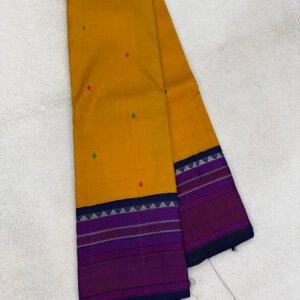
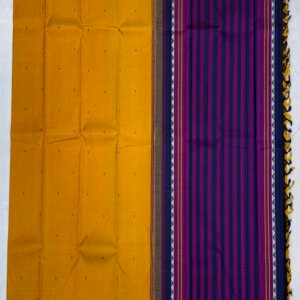
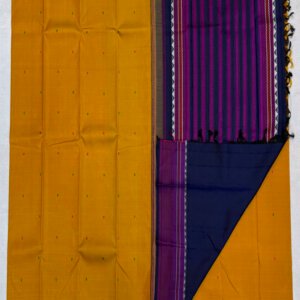
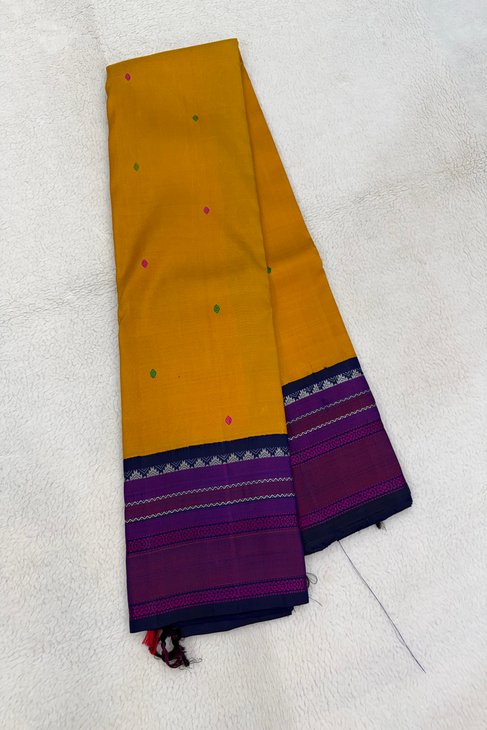
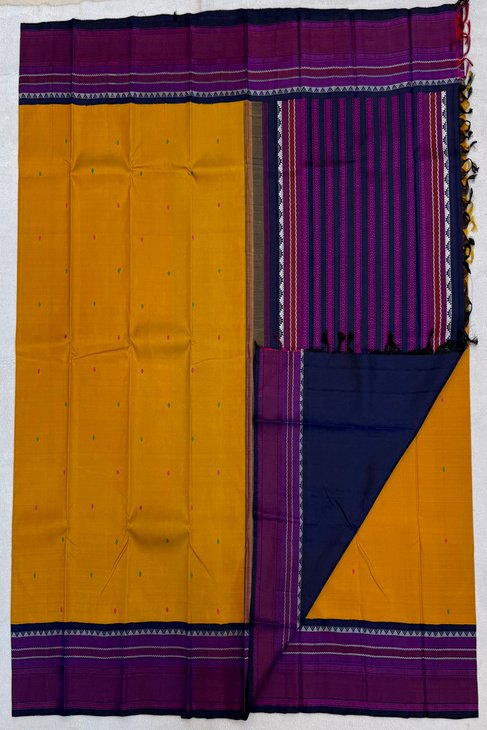
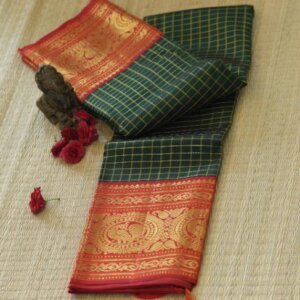
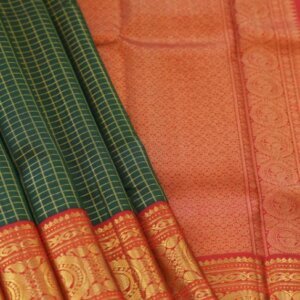
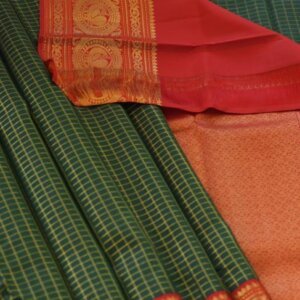
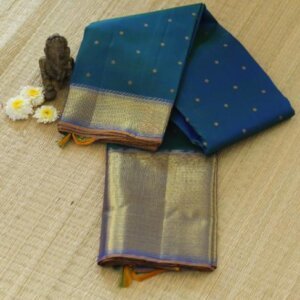
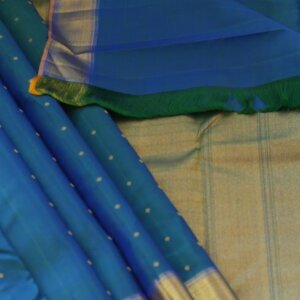
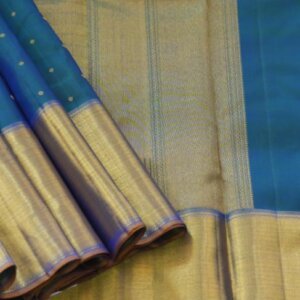
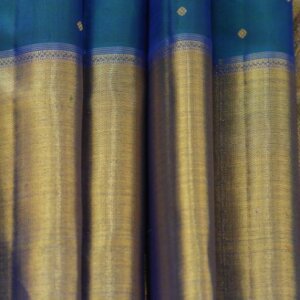
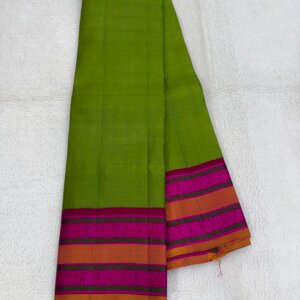
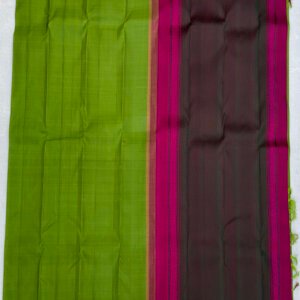
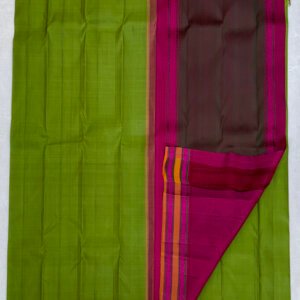
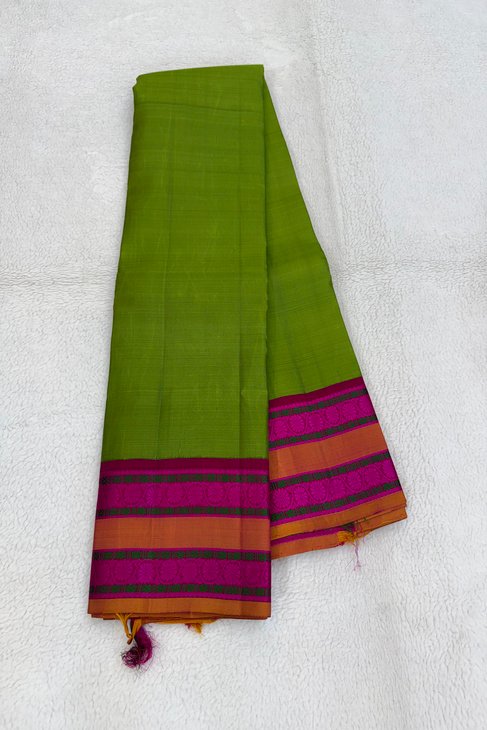
How to Identify Pure Kanjivaram Silk Sarees: Complete Buying Guide

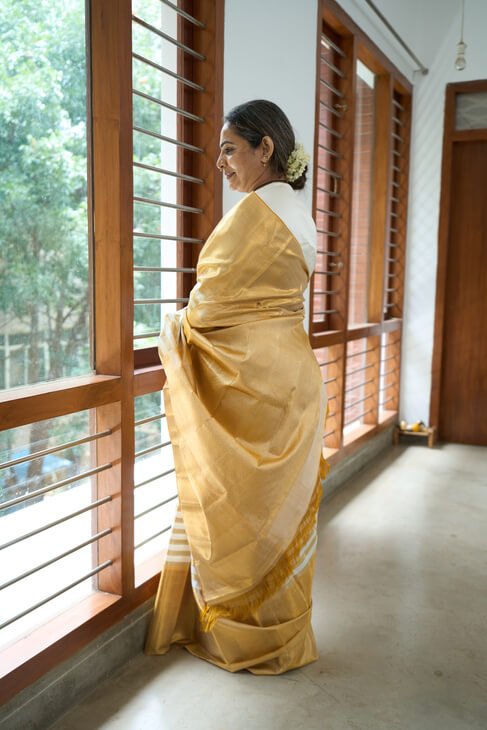
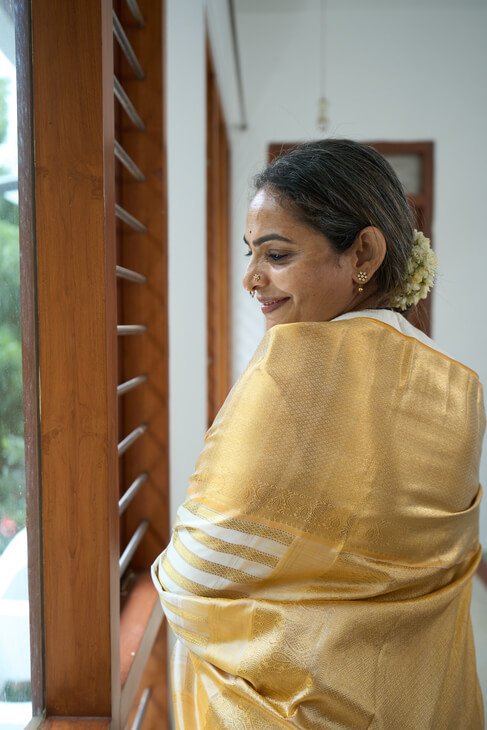
In the world of Indian handlooms, few textiles command the reverence and prestige of the Kanjivaram silk saree. Woven in the temple town of Kanchipuram in Tamil Nadu, these sarees are celebrated for their luxurious silk, rich zari work, and extraordinary craftsmanship. For generations, they have symbolized elegance, heritage, and status, becoming an essential part of bridal trousseaus and heirloom collections across India.

But as the demand for Kanjivaram sarees has grown, so has the market for imitations. Today, shoppers often find it difficult to distinguish between a genuine handwoven Kanjivaram and machine-made replicas that imitate the look at a fraction of the cost. For buyers investing in a premium silk saree, understanding authenticity is no longer optional. It is essential.

Here is a complete guide to identifying pure Kanjivaram silk sarees before making a purchase.

Understand What Makes a Kanjivaram Saree Special

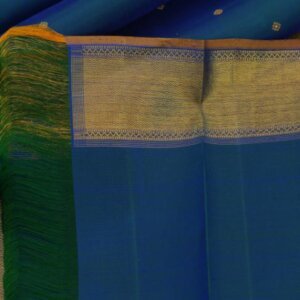
A genuine Kanjivaram saree is traditionally woven using high-quality mulberry silk threads and pure zari. What sets it apart is not just the richness of the silk but also the complexity of the weaving technique.

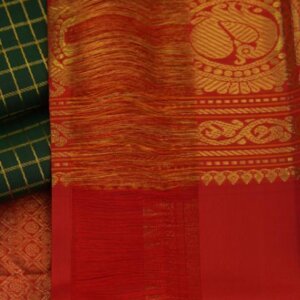
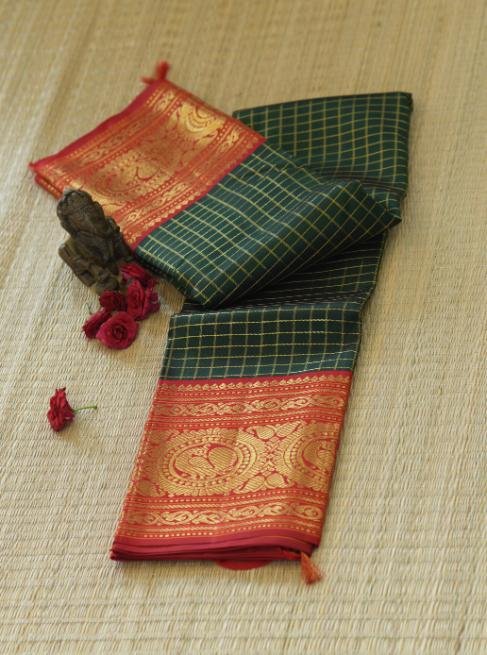
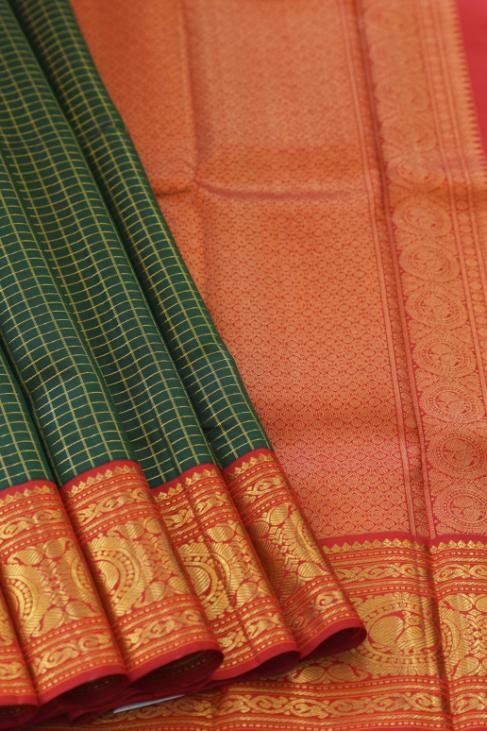
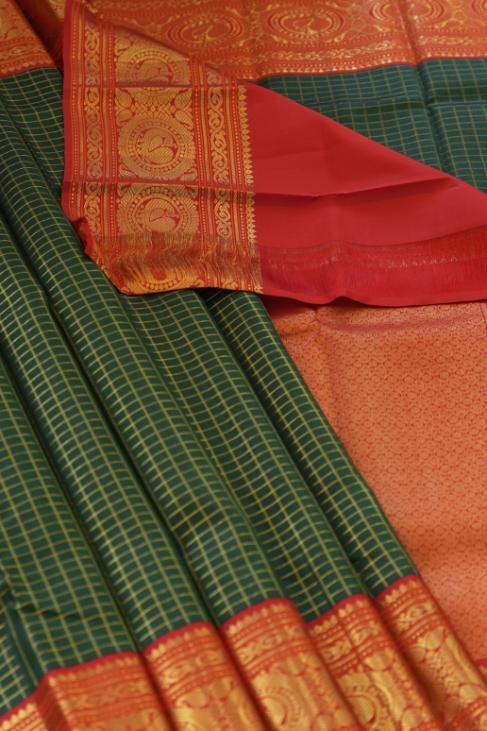
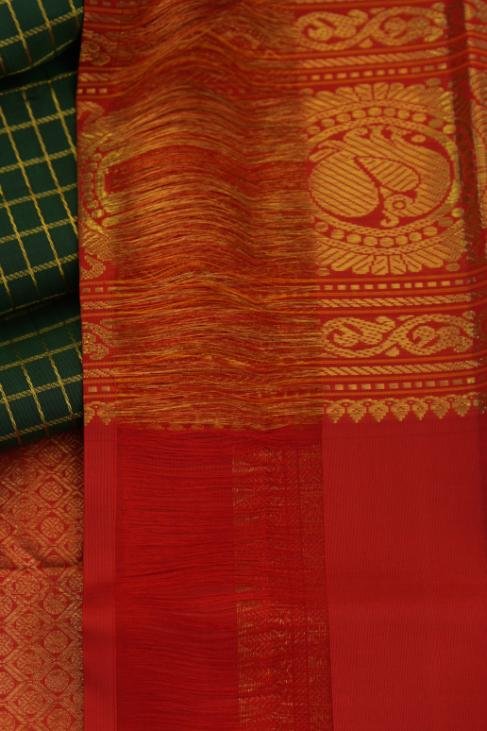
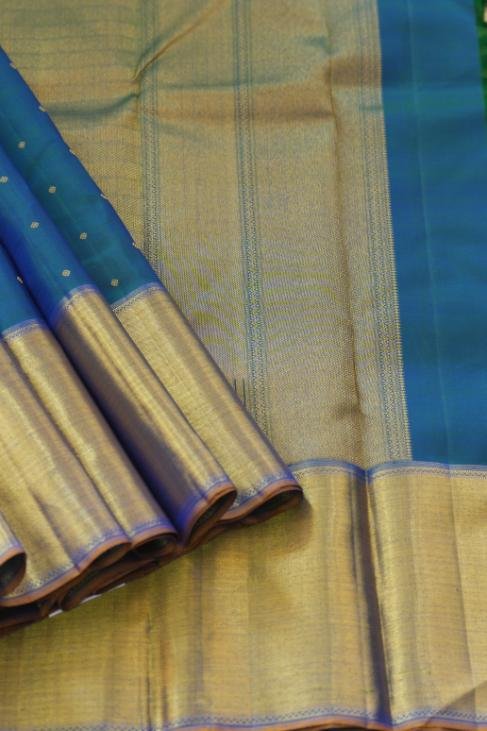
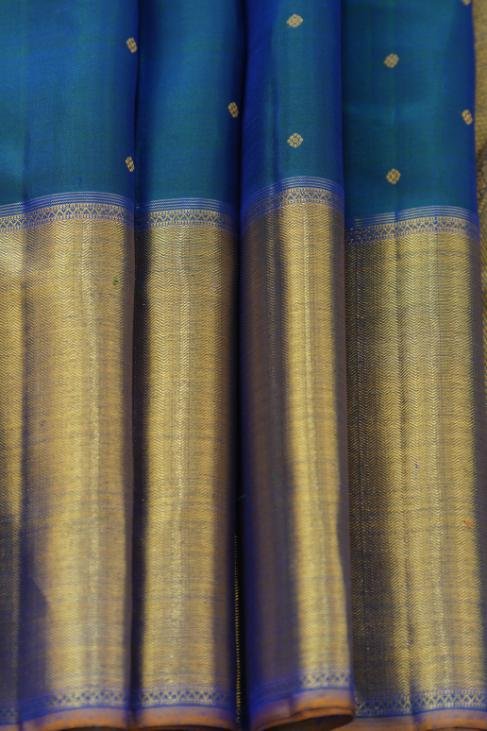
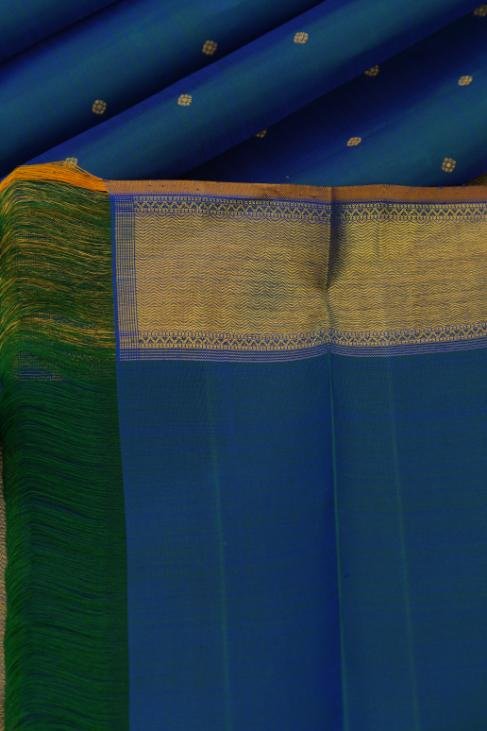
Unlike many other silk sarees, the border and pallu of a Kanjivaram are woven separately and later interlocked with the body using a meticulous technique. This makes the saree highly durable and gives it a distinct structural richness. Authentic Kanjivarams are also known for their bold contrasts, temple-inspired motifs, checks, stripes, peacocks, floral patterns, and intricate gold zari work.

A real Kanjivaram does not merely look luxurious. It feels substantial, drapes beautifully, and carries the unmistakable character of handcrafted artistry.

Check the Silk Quality

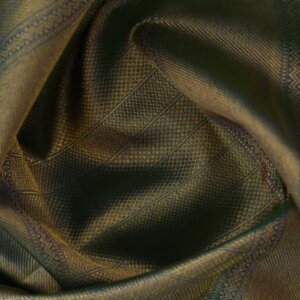
One of the first indicators of authenticity is the texture of the silk itself. Pure Kanjivaram silk has a smooth yet slightly coarse texture due to the thickness of the silk yarn used in weaving. It feels rich and heavy compared to synthetic or blended alternatives.

Artificial silk sarees may appear glossy initially, but they often lack depth and softness. Genuine silk develops a graceful fall and sheen that remains timeless even after years of use.

Another simple test is to gently rub the silk between your fingers. Pure silk generates mild warmth because it is a natural fiber. Synthetic materials usually remain cool to the touch.
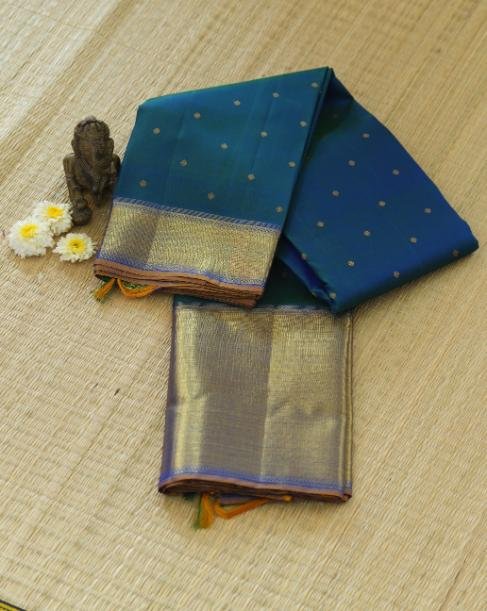
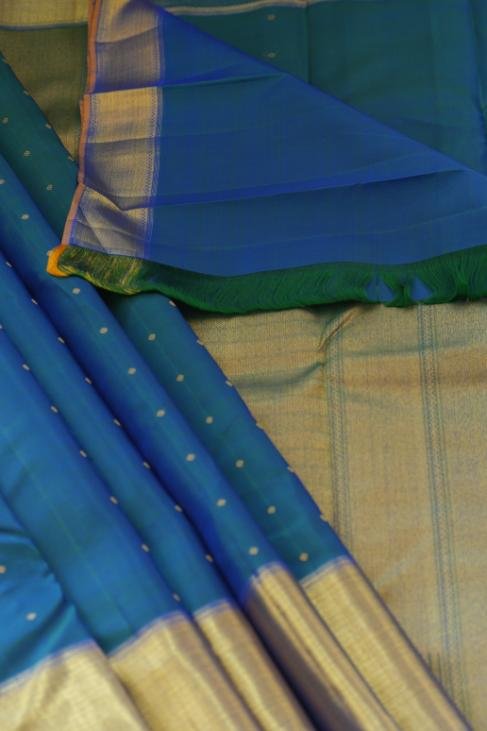
The weight of the saree also matters. Authentic Kanjivaram sarees are heavier because of the dense silk weave and zari work. Lightweight versions sold at unusually low prices are often blended or power-loom products.

Examine the Zari Carefully

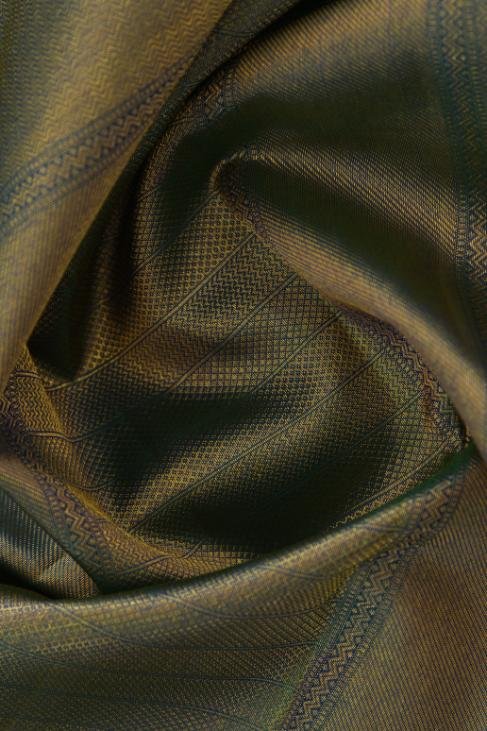
Zari is one of the defining features of a Kanjivaram saree. Traditionally, authentic zari is made using silver threads coated with gold. However, many counterfeit sarees use plastic-based metallic yarns that resemble zari from a distance but lack quality and longevity.

To identify pure zari, look at the reverse side of the thread. Genuine zari usually has a reddish silk thread at the core, while fake zari often contains white or synthetic thread beneath the metallic coating.

Pure zari also has a muted richness rather than an overly shiny appearance. Imitation zari tends to look excessively bright and reflective.

Over time, authentic zari retains its elegance, while cheap metallic coatings may fade or peel after repeated use.

Observe the Weaving Technique

One hallmark of an authentic Kanjivaram saree is the traditional korvai weaving technique, where the border and body are woven separately and joined together with precision. This creates a strong interlocking weave that is difficult to replicate in machine-made versions.

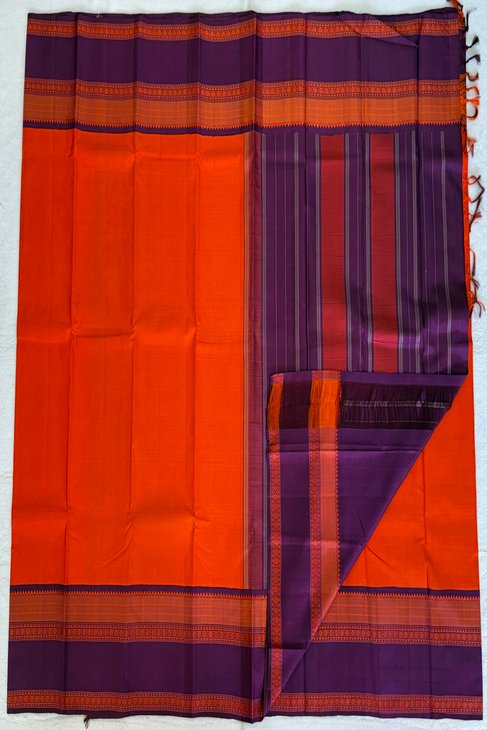
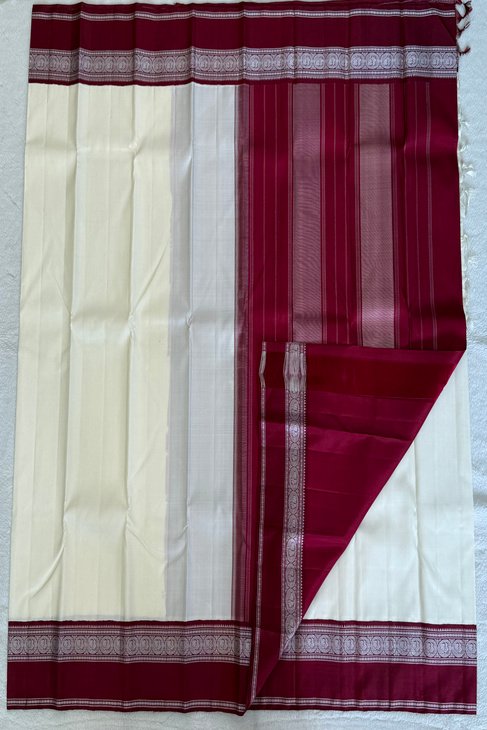
Turn the saree inside out and inspect the joint where the border meets the body. In a genuine handwoven Kanjivaram, the interlocking is visible and extremely sturdy.

Machine-made sarees often imitate the appearance but lack the craftsmanship and structural integrity of handloom weaving.

You may also notice minor irregularities in handwoven sarees. These are not defects. In fact, they are signs of artisanal craftsmanship. Perfectly uniform patterns and overly mechanical finishes are often indicators of machine production.

Look for the Silk Mark Certification

One of the most reliable ways to verify authenticity is through the Silk Mark certification issued by the Silk Mark Organisation of India.

This certification confirms that the saree is made from pure silk. Many reputed saree houses and handloom retailers provide this tag as proof of quality and authenticity.

While the presence of a Silk Mark alone should not be the only deciding factor, it certainly adds credibility to the purchase.

When investing in a premium Kanjivaram saree, buyers should always ask for authenticity certifications and product details.

Beware of Prices That Seem Too Good to Be True

Authentic Kanjivaram silk sarees are labor-intensive creations that involve skilled artisans, high-quality silk, and intricate weaving techniques. Depending on the craftsmanship and zari quality, a pure handwoven Kanjivaram can take several days or even weeks to complete.

Naturally, genuine pieces come at a premium price.

If a saree marketed as “pure Kanjivaram silk” is available at a suspiciously low price, buyers should exercise caution. Extremely cheap sarees are often synthetic blends or machine-made replicas designed to imitate the original.

Price alone does not determine authenticity, but quality handloom silk cannot be mass-produced at bargain rates.

Buy From Trusted Saree Houses

Perhaps the most important step in buying a pure Kanjivaram saree is choosing a trusted and reputed seller.

Established saree brands with expertise in handloom silks are more likely to offer authentic products, transparent sourcing, and quality assurance. Reputed retailers also educate buyers about weave techniques, silk quality, and zari composition rather than relying solely on marketing language.

For discerning buyers, the shopping experience matters as much as the saree itself. A knowledgeable saree consultant can help customers understand the story, craftsmanship, and uniqueness behind every weave.

In recent years, many premium saree houses in Bengaluru and across India have curated exceptional collections of authentic Kanjivarams sourced directly from master weavers. Such brands play a vital role in preserving India’s weaving heritage while offering clients confidence in every purchase.

A Saree That Becomes an Heirloom

A pure Kanjivaram silk saree is more than festive attire. It is an investment in heritage, craftsmanship, and timeless elegance.

Unlike fast fashion, authentic Kanjivarams often become treasured heirlooms passed down across generations. Their durability, artistry, and cultural significance make them enduring symbols of Indian textile excellence.

For buyers, understanding authenticity ensures that the saree they choose carries not only beauty but also genuine craftsmanship and legacy.

In a market filled with imitations, informed buying is the key to preserving the value and tradition of this iconic weave.

How can I identify pure Kanjivaram silk sarees?

Check silk texture, zari quality, weaving density, and Silk Mark certification.

Are all shiny silk sarees pure?

No. Synthetic sarees often appear excessively shiny.

Why are Kanjivaram sarees expensive?

They use pure silk, traditional weaving methods, and zari craftsmanship.

Can pure silk sarees be bought online?

Yes, from trusted and reputed silk saree stores.

Top Bridal Silk Sarees for Weddings in 2026

Indian weddings have always been a celebration of heritage, craftsmanship, and timeless style. In 2026, bridal fashion is embracing a beautiful balance between tradition and individuality, and at the heart of this evolution remains one iconic choice: the silk saree.

For brides across India and beyond, silk sarees continue to define elegance in its purest form. Rich weaves, intricate zari work, handloom artistry, and heirloom-worthy craftsmanship are once again taking center stage in bridal wardrobes. While contemporary bridal trends continue to evolve, the emotional and cultural significance of silk sarees remains unmatched.

As the 2026 wedding season unfolds, several silk saree styles are emerging as favorites among modern brides seeking sophistication, grandeur, and authenticity.

Kanjivaram Silk Sarees Continue to Reign Supreme

No bridal silk saree list is complete without the timeless Kanjivaram. In 2026, the classic weave from Kanchipuram remains the most sought-after choice for South Indian weddings and luxury bridal trousseaus across the country.

This year, brides are leaning toward rich jewel tones such as ruby red, emerald green, deep maroon, royal purple, and burnt orange. Traditional temple borders and heavy gold zari work continue to dominate, but there is also a growing preference for softer contrasts and elegant monotone palettes.

Designers and premium saree houses are also seeing demand for antique zari Kanjivarams that offer a more understated vintage aesthetic compared to bright metallic gold finishes.

For brides who want a regal and timeless wedding look, the Kanjivaram remains unrivaled.

Banarasi Silks Are Making a Strong Revival

Banarasi silk sarees are witnessing a remarkable resurgence in bridal fashion for 2026. Known for their Mughal-inspired motifs, fine silk texture, and opulent brocade work, these sarees are becoming a preferred choice for reception ceremonies, engagement functions, and evening weddings.

This season, handwoven Banarasis in shades of champagne gold, blush pink, ivory, wine, and midnight blue are particularly popular among younger brides seeking a refined luxury aesthetic.

The appeal of Banarasi silk lies in its versatility. It can look grand without appearing overly traditional, making it ideal for brides who want elegance with contemporary styling.

Pairing heritage Banarasi sarees with modern blouses, statement diamonds, and minimal styling is one of the defining bridal trends of 2026.

Handloom Bridal Sarees Gain Importance

Today’s bridal shoppers are more conscious than ever about craftsmanship and authenticity. As a result, handloom bridal sarees are seeing renewed appreciation among elite clientele.

Brides are actively seeking sarees that tell a story through weaving traditions, artisanal heritage, and regional craftsmanship. From pure Mysore silks and Gadwal weaves to Paithani and Patola sarees, handloom bridal collections are becoming increasingly curated and exclusive.

Many brides are now investing in sarees that can later become heirloom pieces rather than one-time wedding garments.

This shift reflects a larger trend in luxury fashion where craftsmanship and individuality are valued over mass-produced glamour.

Katan Silk Sarees Are Redefining Bridal Sophistication

Among the standout bridal trends of 2026 is the growing demand for Katan silk sarees. Known for their luxurious texture and fine weaving, Katan silks are becoming a preferred choice for brides who appreciate understated grandeur.

Traditionally associated with Banarasi craftsmanship, Katan silk sarees are woven using pure silk threads twisted together to create a fabric that is both durable and exceptionally elegant. The result is a saree with a rich structure, graceful drape, and timeless appeal.

This wedding season, brides are embracing Katan silk sarees in regal shades such as deep red, emerald green, ivory gold, and royal blue. Intricate brocade weaving, delicate zari motifs, and sophisticated floral patterns are especially popular for engagement ceremonies and wedding receptions.

What makes Katan silk particularly appealing to modern brides is its balance between heritage and refinement. It offers grandeur without excessive heaviness, making it ideal for brides seeking elegance that feels classic rather than overpowering.

Kalamkari Sarees Bring Artistry Into Bridal Fashion

Another emerging trend in bridal sarees for 2026 is the rise of Kalamkari silk sarees. Known for their hand-painted and hand-block printed artistry, Kalamkari sarees are attracting brides who want individuality and cultural richness in their wedding wardrobe.

Unlike conventional bridal silks focused purely on zari and embellishment, Kalamkari sarees stand out for their storytelling aesthetics. Traditional motifs inspired by mythology, nature, temple art, and floral patterns give these sarees a deeply artistic identity.

Designers are now blending Kalamkari art with luxurious silk bases, creating bridal sarees that feel distinctive, heritage-driven, and contemporary at the same time. Rich earthy tones, muted gold accents, maroon palettes, indigo shades, and antique finishes are particularly sought after this season.

Many brides are choosing Kalamkari silk sarees for pre-wedding events, intimate ceremonies, and bridal trousseau collections because they offer a refreshing alternative to heavily embellished ensembles.

In 2026, bridal fashion is clearly moving toward craftsmanship and individuality, and Kalamkari sarees embody both beautifully.

Personalized Bridal Weaves Are Growing in Demand

Customization is another major trend shaping bridal saree shopping in 2026.

Many premium saree brands are now offering bespoke bridal silk sarees featuring personalized motifs, initials woven into the design, custom color combinations, and exclusive zari patterns.

Brides increasingly want uniqueness in their wedding attire rather than designs that feel widely replicated.

This demand for exclusivity has elevated the importance of handcrafted weaves and limited-edition collections.

For luxury bridal clients, personalization is no longer an extra feature. It is an expectation.

Sustainable Luxury Is Becoming a Bridal Priority

Sustainability has become an influential factor in bridal shopping decisions. Brides today are asking important questions about sourcing, handloom authenticity, artisan support, and long-term value.

Silk sarees naturally align with this shift because they are timeless investments rather than trend-driven garments.

A well-crafted bridal silk saree can be worn across generations, restyled for future occasions, and preserved as part of family heritage. This enduring value is one of the reasons why silk sarees continue to hold emotional significance in Indian weddings.

In a fashion landscape increasingly dominated by disposable trends, handcrafted silk sarees stand apart for their permanence and cultural richness.

The Return of Timeless Bridal Elegance

While bridal fashion evolves every season, some traditions never lose their relevance. In 2026, bridal silk sarees are not merely surviving trends. They are defining them.

From majestic Kanjivarams and luminous tissue silks to elegant Banarasis and rare handloom weaves, brides are embracing sarees that combine heritage with modern sophistication.

The modern Indian bride is no longer choosing between tradition and contemporary style. She is blending both seamlessly.

And in that balance, the bridal silk saree continues to remain one of the most powerful expressions of grace, identity, and timeless luxury.

FAQ’s

Which silk saree is best for weddings?

Kanjivaram silk sarees remain one of the best choices for traditional weddings.

Are pastel bridal sarees trending in 2026?

Yes. Pastel shades like lavender, peach, and ivory gold are highly popular.

How do I choose the right bridal saree colour?

Choose based on skin tone, wedding theme, jewellery, and personal style.

Why are Kanjivaram sarees expensive?

They use pure silk, intricate handweaving techniques, and authentic zari craftsmanship.

Can bridal silk sarees be reused?

Yes. Bridal silk sarees are timeless and can be styled for festivals and family occasions later.

How to Choose the Perfect Saree for Weddings, Festivals & Special Occasionsx

There are few garments in the world as versatile, expressive, and timeless as the Indian saree. It can be regal or understated, traditional or contemporary, festive or deeply personal. More importantly, the right saree has the power to completely transform the way a woman feels. Whether it is a wedding celebration, a festive gathering, or an intimate family occasion, choosing the perfect saree is often about far more than simply selecting a color or fabric.

Today’s women are spoiled for choice. From rich Kanjeevarams and elegant Banarasis to lightweight organzas, tissue silks, handloom cottons, and artistic Kalamkaris, the modern saree landscape is vast and constantly evolving. Yet, amid changing trends and designer influences, one question continues to remain relevant: how does one truly choose the perfect saree for an occasion?

The answer lies somewhere between personal style, practicality, craftsmanship, and emotion.

Understand the Occasion Before Choosing the Saree

One of the most common mistakes women make while shopping for sarees is focusing only on visual appeal without considering the nature of the event. A saree that looks magnificent at a grand wedding may feel excessive for a daytime pooja or festive brunch.

For weddings, richer fabrics such as Kanjeevaram silk, Banarasi silk, Paithani, or Katan silk naturally work well because they carry structure, grandeur, and traditional elegance. These sarees photograph beautifully, hold intricate zari work effortlessly, and create a sense of occasion the moment they are draped.

Festivals, on the other hand, often call for lighter elegance. Soft silks, organzas, Chanderis, linen silks, and elegant handloom sarees offer sophistication while remaining comfortable for long hours of wear. The mood of the occasion matters just as much as the outfit itself.

For intimate family functions or formal evening gatherings, understated luxury is increasingly becoming the preferred choice. Women today are gravitating toward sarees that feel refined rather than overly embellished.

Fabric Determines Both Comfort and Presence

One of the defining elements of any saree is the fabric. It influences not just the appearance of the saree but also how it drapes, moves, photographs, and feels over several hours.

Silk sarees continue to dominate wedding and festive wardrobes because of their richness and timeless appeal. Kanjeevarams remain unmatched for traditional bridal and ceremonial wear, while Banarasi silks bring softness and regal sophistication to evening occasions.

Tissue silks have emerged as a strong trend in recent years because of their luminous finish and lightweight comfort. Organza sarees, meanwhile, appeal to women seeking contemporary elegance with a delicate, structured silhouette.

For daytime celebrations and festive gatherings, breathable fabrics such as Chanderi, linen silk, or fine cotton-silk blends provide ease without compromising on style.

Ultimately, the most beautiful saree is one that allows the wearer to feel confident and comfortable throughout the occasion.

Color Choices Have Become More Personal

For decades, Indian occasion wear followed relatively fixed color traditions. Brides wore red, festive sarees leaned heavily toward bright tones, and gold zari dominated formal celebrations. While these classics remain timeless, modern saree styling has become far more personal and expressive.

Today’s women are choosing colors based on mood, personality, skin tone, and the atmosphere of the event rather than rigid fashion rules.

Deep jewel tones such as emerald green, wine, maroon, royal blue, and burnt orange continue to remain favorites for weddings and evening celebrations. At the same time, softer palettes including champagne gold, blush pink, sage green, ivory, and muted pastels are becoming increasingly popular for daytime functions and contemporary bridal looks.

The shift reflects a larger movement in fashion where individuality matters more than convention.

Craftsmanship Matters More Than Ever

In recent years, there has been a noticeable return toward authentic craftsmanship and handloom weaving. Women are becoming increasingly conscious about the quality, origin, and artistry behind the sarees they invest in.

Rather than purchasing heavily embellished fast-fashion pieces, many are now choosing sarees with enduring value. Handwoven Kanjeevarams, intricate Banarasi brocades, Kalamkari artistry, and heritage weaves are once again finding appreciation among younger buyers.

This renewed focus on craftsmanship is not merely about aesthetics. It reflects a deeper desire for authenticity in luxury fashion.

A beautifully woven saree carries character that machine-made garments often fail to replicate. Slight irregularities in handloom weaving, the richness of real zari, and the texture of pure silk all contribute to a saree that feels unique and personal.

The Importance of Styling and Blouse Design

A saree’s final impact often depends on how it is styled. In today’s fashion landscape, blouse design has become just as important as the saree itself.

Classic elbow-sleeve blouses continue to remain elegant for traditional occasions, while structured cuts, deep backs, contemporary necklines, and statement sleeves are redefining festive saree styling for younger women.

Jewelry choices also play a major role. Temple jewelry beautifully complements rich silk sarees, while diamonds and minimal accessories pair effortlessly with pastel or contemporary weaves.

Interestingly, modern styling is moving away from excessive layering. The current aesthetic favors balance and restraint. Women increasingly want the saree itself to remain the focal point rather than overpowering it with heavy accessories.

Choose Emotion Over Trend

Fashion trends change constantly, but the sarees women remember for years are rarely the ones chosen solely because they were fashionable at the time.

Often, the most treasured sarees are those connected to meaningful occasions, personal milestones, or emotional memories. A wedding saree gifted by parents, a festive silk chosen for a first Diwali after marriage, or a handloom weave inherited from a grandmother eventually becomes far more valuable than seasonal trends.

This emotional connection is precisely why sarees continue to hold such a unique place in Indian fashion.

Unlike many garments that fade with time, a thoughtfully chosen saree often becomes part of a woman’s story.

Timelessness Is the Real Luxury

In an era driven by fast-moving trends and social media aesthetics, timeless elegance is quietly making a return. Women today are shopping more thoughtfully, prioritizing craftsmanship, versatility, and emotional value over fleeting fashion moments.

The perfect saree is no longer simply the most expensive or heavily embellished one in the room. It is the saree that reflects the woman wearing it. Her personality, her comfort, her memories, and her sense of style.

Whether it is a majestic Kanjeevaram for a wedding, a graceful Banarasi for an evening celebration, or a soft handloom saree for a festive gathering, the right saree becomes memorable not because of trends, but because of how it makes a woman feel.

And perhaps that is why the saree continues to remain timeless, generation after generation.

FAQ’s

Which saree is best for weddings?

Kanjivaram and Banarasi silk sarees are among the best choices for weddings.

Which sarees are suitable for daytime functions?

Lightweight Tussar silk, linen silk, and soft silk sarees work beautifully for daytime events.

Are pastel silk sarees trending?

Yes. Pastel silk sarees are highly popular for modern weddings and elegant celebrations.

How do I choose the right saree colour?

Choose colours based on your skin tone, event type, jewellery, and personal style.

Why are silk sarees ideal for festivals?

Silk sarees combine traditional elegance with festive richness, making them perfect for celebrations.