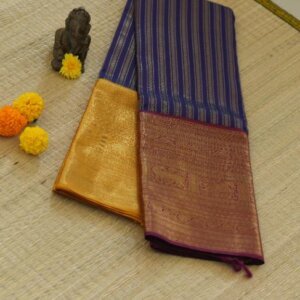
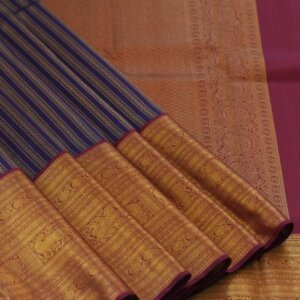
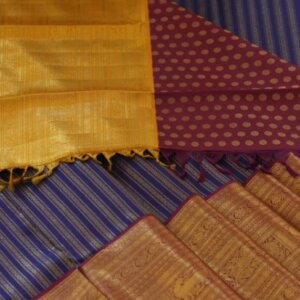
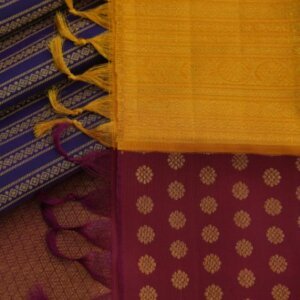
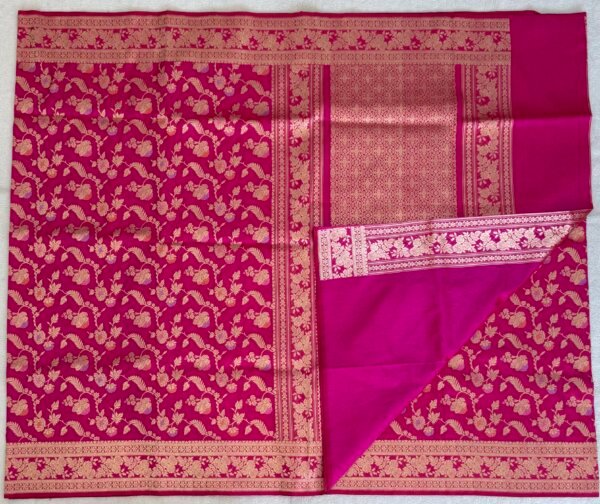
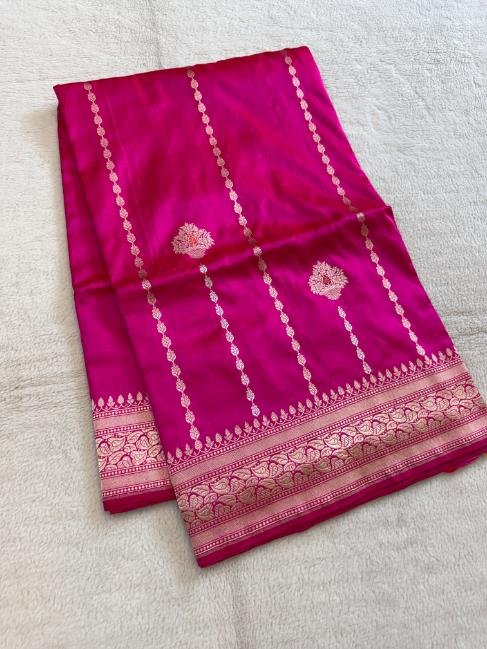
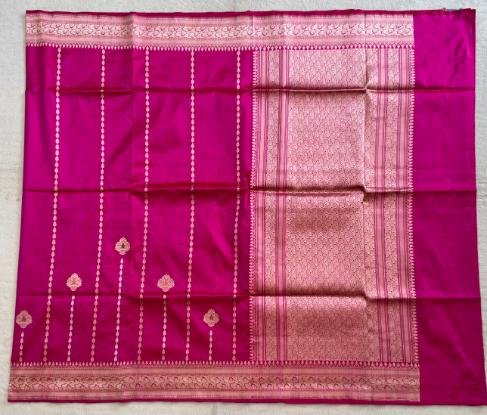
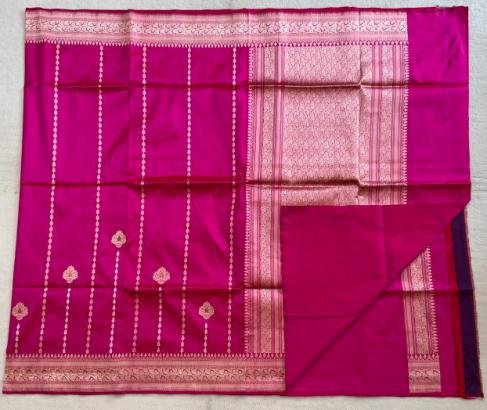
How to Identify Pure Kanjivaram Silk Sarees: Complete Buying Guide

In the world of Indian handlooms, few textiles command the reverence and prestige of the Kanjivaram silk saree. Woven in the temple town of Kanchipuram in Tamil Nadu, these sarees are celebrated for their luxurious silk, rich zari work, and extraordinary craftsmanship. For generations, they have symbolized elegance, heritage, and status, becoming an essential part of bridal trousseaus and heirloom collections across India.
But as the demand for Kanjivaram sarees has grown, so has the market for imitations. Today, shoppers often find it difficult to distinguish between a genuine handwoven Kanjivaram and machine-made replicas that imitate the look at a fraction of the cost. For buyers investing in a premium silk saree, understanding authenticity is no longer optional. It is essential.
Here is a complete guide to identifying pure Kanjivaram silk sarees before making a purchase.
Understand What Makes a Kanjivaram Saree Special
A genuine Kanjivaram saree is traditionally woven using high-quality mulberry silk threads and pure zari. What sets it apart is not just the richness of the silk but also the complexity of the weaving technique.
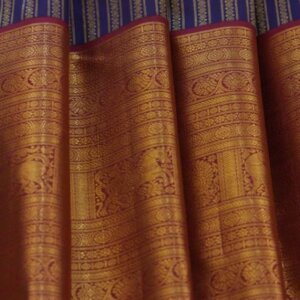
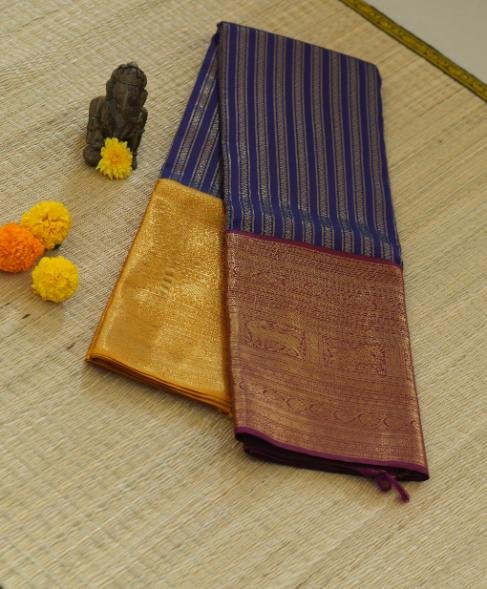
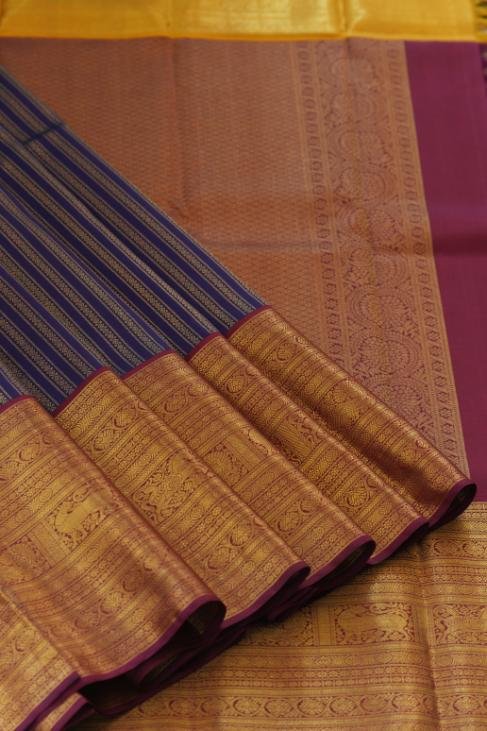
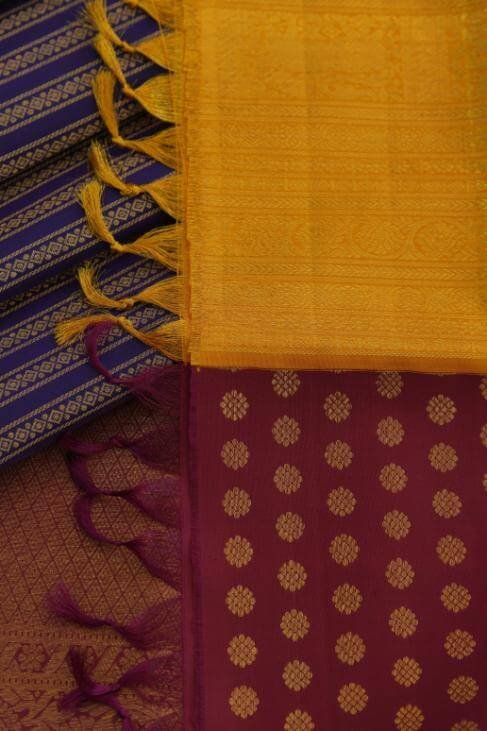
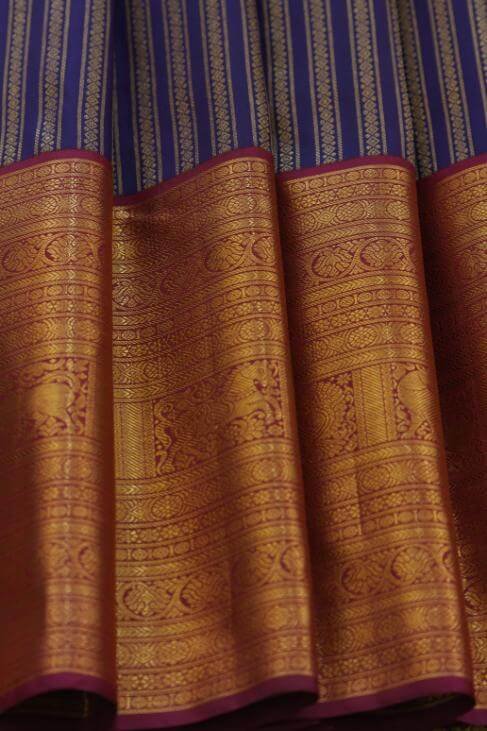
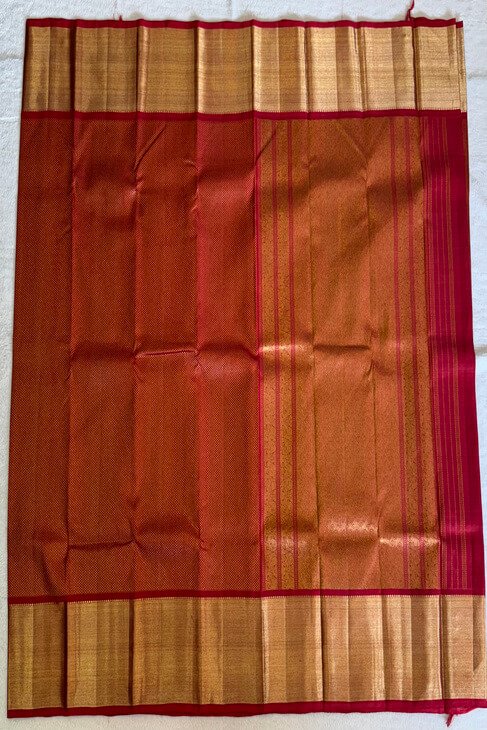
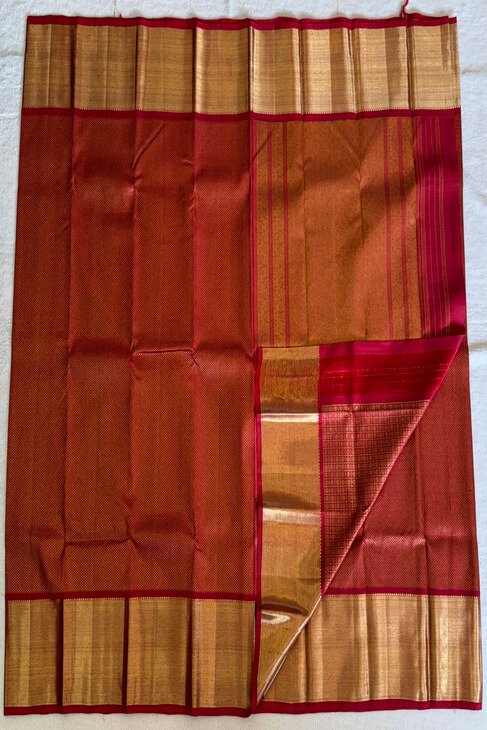
Unlike many other silk sarees, the border and pallu of a Kanjivaram are woven separately and later interlocked with the body using a meticulous technique. This makes the saree highly durable and gives it a distinct structural richness. Authentic Kanjivarams are also known for their bold contrasts, temple-inspired motifs, checks, stripes, peacocks, floral patterns, and intricate gold zari work.
A real Kanjivaram does not merely look luxurious. It feels substantial, drapes beautifully, and carries the unmistakable character of handcrafted artistry.
Check the Silk Quality
One of the first indicators of authenticity is the texture of the silk itself. Pure Kanjivaram silk has a smooth yet slightly coarse texture due to the thickness of the silk yarn used in weaving. It feels rich and heavy compared to synthetic or blended alternatives.
Artificial silk sarees may appear glossy initially, but they often lack depth and softness. Genuine silk develops a graceful fall and sheen that remains timeless even after years of use.
Another simple test is to gently rub the silk between your fingers. Pure silk generates mild warmth because it is a natural fiber. Synthetic materials usually remain cool to the touch.
The weight of the saree also matters. Authentic Kanjivaram sarees are heavier because of the dense silk weave and zari work. Lightweight versions sold at unusually low prices are often blended or power-loom products.
Examine the Zari Carefully
Zari is one of the defining features of a Kanjivaram saree. Traditionally, authentic zari is made using silver threads coated with gold. However, many counterfeit sarees use plastic-based metallic yarns that resemble zari from a distance but lack quality and longevity.
To identify pure zari, look at the reverse side of the thread. Genuine zari usually has a reddish silk thread at the core, while fake zari often contains white or synthetic thread beneath the metallic coating.
Pure zari also has a muted richness rather than an overly shiny appearance. Imitation zari tends to look excessively bright and reflective.
Over time, authentic zari retains its elegance, while cheap metallic coatings may fade or peel after repeated use.
Observe the Weaving Technique
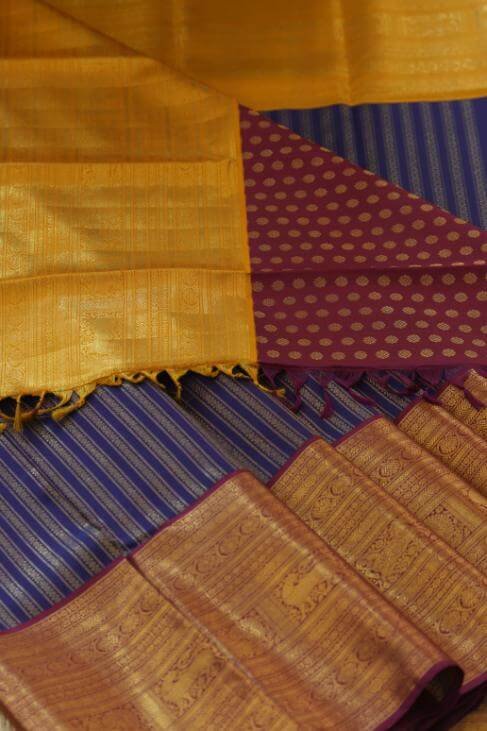
One hallmark of an authentic Kanjivaram saree is the traditional korvai weaving technique, where the border and body are woven separately and joined together with precision. This creates a strong interlocking weave that is difficult to replicate in machine-made versions.
Turn the saree inside out and inspect the joint where the border meets the body. In a genuine handwoven Kanjivaram, the interlocking is visible and extremely sturdy.
Machine-made sarees often imitate the appearance but lack the craftsmanship and structural integrity of handloom weaving.
You may also notice minor irregularities in handwoven sarees. These are not defects. In fact, they are signs of artisanal craftsmanship. Perfectly uniform patterns and overly mechanical finishes are often indicators of machine production.
Look for the Silk Mark Certification
One of the most reliable ways to verify authenticity is through the Silk Mark certification issued by the Silk Mark Organisation of India.
This certification confirms that the saree is made from pure silk. Many reputed saree houses and handloom retailers provide this tag as proof of quality and authenticity.
While the presence of a Silk Mark alone should not be the only deciding factor, it certainly adds credibility to the purchase.
When investing in a premium Kanjivaram saree, buyers should always ask for authenticity certifications and product details.
Beware of Prices That Seem Too Good to Be True
Authentic Kanjivaram silk sarees are labor-intensive creations that involve skilled artisans, high-quality silk, and intricate weaving techniques. Depending on the craftsmanship and zari quality, a pure handwoven Kanjivaram can take several days or even weeks to complete.
Naturally, genuine pieces come at a premium price.
If a saree marketed as “pure Kanjivaram silk” is available at a suspiciously low price, buyers should exercise caution. Extremely cheap sarees are often synthetic blends or machine-made replicas designed to imitate the original.
Price alone does not determine authenticity, but quality handloom silk cannot be mass-produced at bargain rates.
Buy From Trusted Saree Houses
Perhaps the most important step in buying a pure Kanjivaram saree is choosing a trusted and reputed seller.
Established saree brands with expertise in handloom silks are more likely to offer authentic products, transparent sourcing, and quality assurance. Reputed retailers also educate buyers about weave techniques, silk quality, and zari composition rather than relying solely on marketing language.
For discerning buyers, the shopping experience matters as much as the saree itself. A knowledgeable saree consultant can help customers understand the story, craftsmanship, and uniqueness behind every weave.
In recent years, many premium saree houses in Bengaluru and across India have curated exceptional collections of authentic Kanjivarams sourced directly from master weavers. Such brands play a vital role in preserving India’s weaving heritage while offering clients confidence in every purchase.
A Saree That Becomes an Heirloom
A pure Kanjivaram silk saree is more than festive attire. It is an investment in heritage, craftsmanship, and timeless elegance.
Unlike fast fashion, authentic Kanjivarams often become treasured heirlooms passed down across generations. Their durability, artistry, and cultural significance make them enduring symbols of Indian textile excellence.
For buyers, understanding authenticity ensures that the saree they choose carries not only beauty but also genuine craftsmanship and legacy.
In a market filled with imitations, informed buying is the key to preserving the value and tradition of this iconic weave.
Check silk texture, zari quality, weaving density, and Silk Mark certification.
No. Synthetic sarees often appear excessively shiny.
They use pure silk, traditional weaving methods, and zari craftsmanship.
Yes, from trusted and reputed silk saree stores.